American Crocodile

Content Image

TYPE: Reptile

STATUS: 
Vulnerable

QUICK STATS

Body size

15 feet max.
2,000 pounds

native habitat

Brackish water of South Florida, Central America, and northern South America

diet

Small mammals, birds, fish

Reproduction

30-50 eggs per clutch

life expectancy

50 – 70 years

predators

Raccoons and birds (eggs and young crocodiles)

natural defenses

Size, strong bite and tail, good swimmers, camouflage

About the Species

FLORIDA’S SPECIALTY
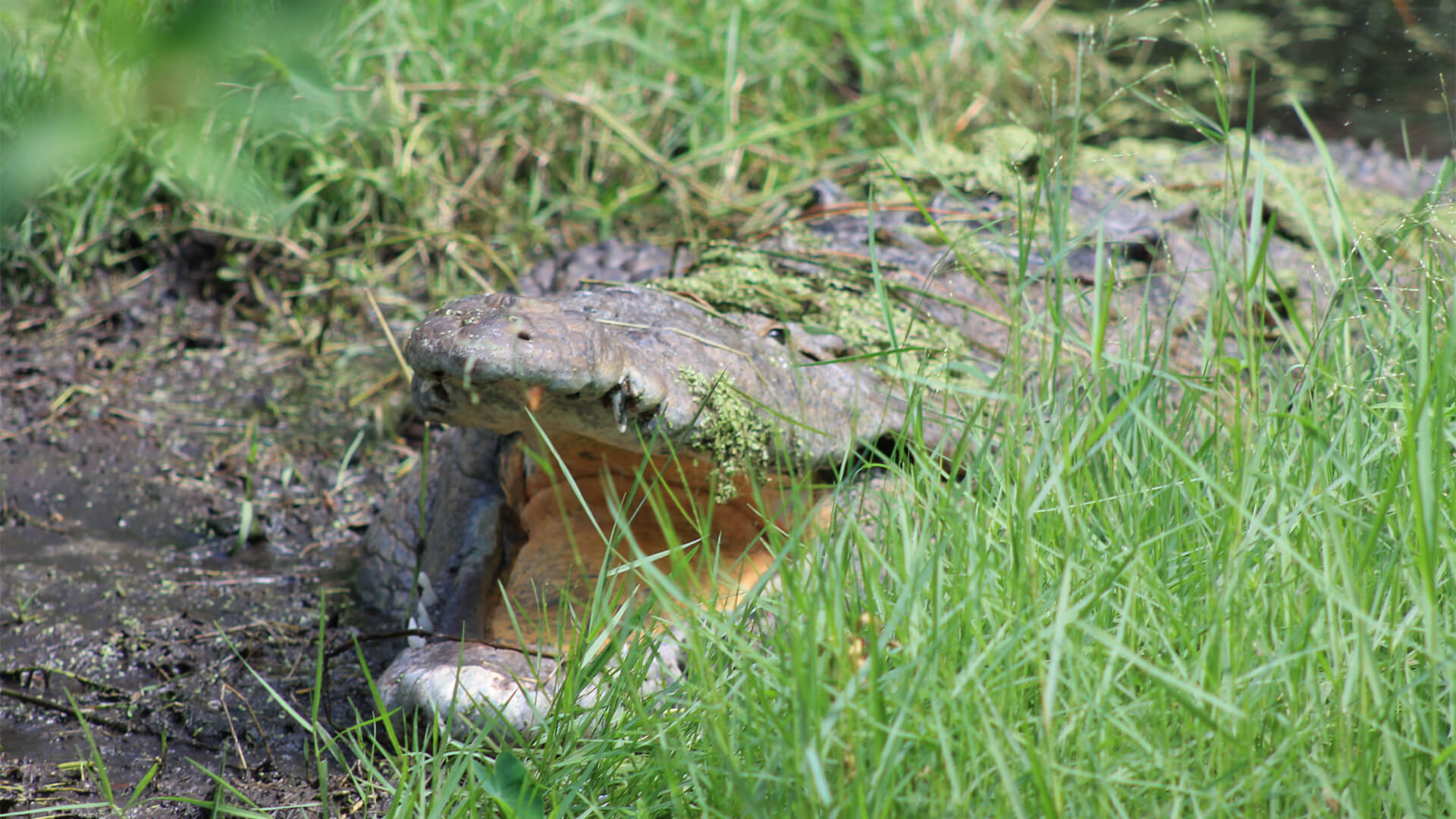
The American crocodile is one of the largest crocodilians in the world, but also one of the shyest. In the U.S., they can only be found in brackish waters of South Florida. South Florida is the only place in the world where crocodiles and alligators coexist in the wild.

The crocodile can be distinguished from the alligator by its longer and thinner snout, lighter color, and an exposed fourth tooth on the lower jaw when the mouth is closed.

American crocodiles prefer to live in brackish water, and can do so as they excrete salt from a gland located near their tongue; but alligators prefer freshwater.

South Florida is as far north as the American crocodile travels. They are also found in Central and South America, along with the Caribbean.

This endangered species is threatened by hunting and habitat loss. While most countries have laws in place for their protection, many lack adequate enforcement. Additionally, data on the number of American crocodiles remaining outside of the United States is sometimes unavailable and inaccurate.

SCIENTIFIC NAME

Crocodylus acutus

Fun Fact

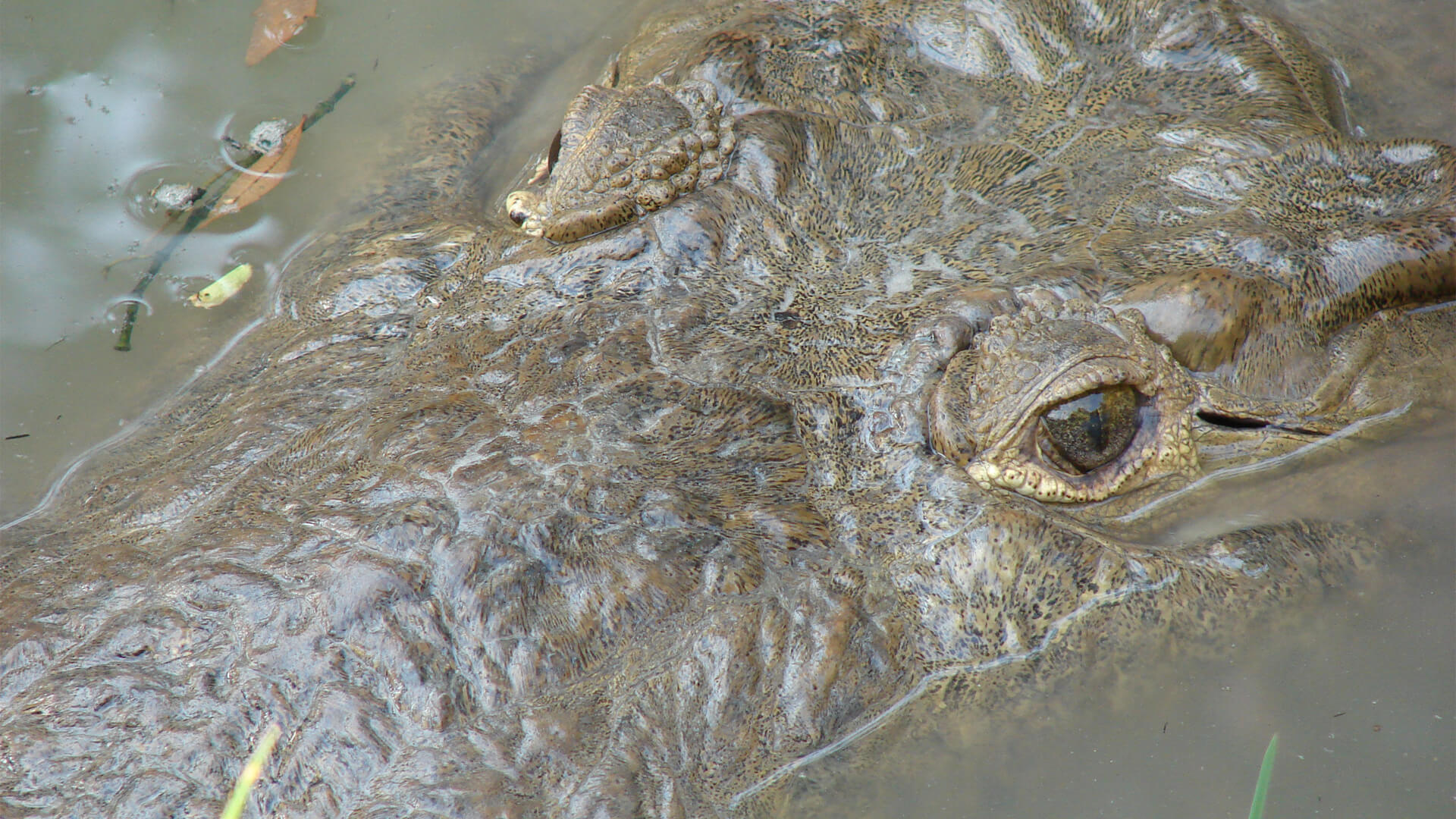
The eyes, ears, and nostrils of a Crocodile are located on the top of their head, allowing them to be almost completely submerged underwater while still being aware of their surroundings.

Featured Videos

Wildlife Insights

WORD FROM
THE EXPERTS
These three spider monkeys have been acclimating well and hitting the milestones we expect. As they continue to grow and reach maturity, they will help so many people understand not only their species, but also the issue of wildlife trafficking and what they can do to stop it. We encourage everyone not to support the illegal pet trade.

Chris Torge, Director of Animal Operations