Andes Mountains in Argentina, Bolivia, Paraguay, Chile, Peru
diet
Grasses and shrubs
Reproduction
One baby per year
life expectancy
Up to 20 years
predators
Puma, Andean foxes, coyotes
natural defenses
Vocalizations
About the Species
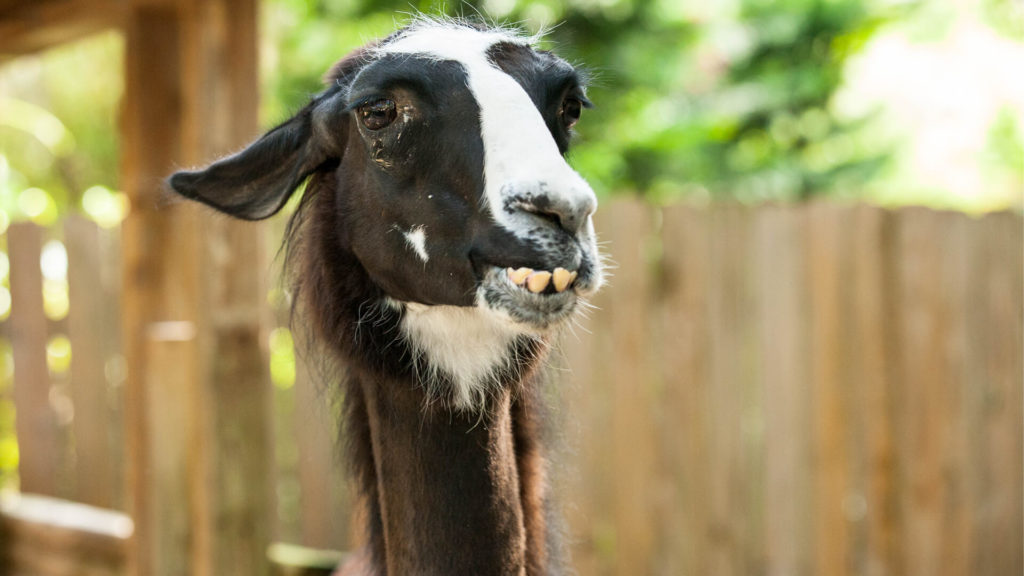
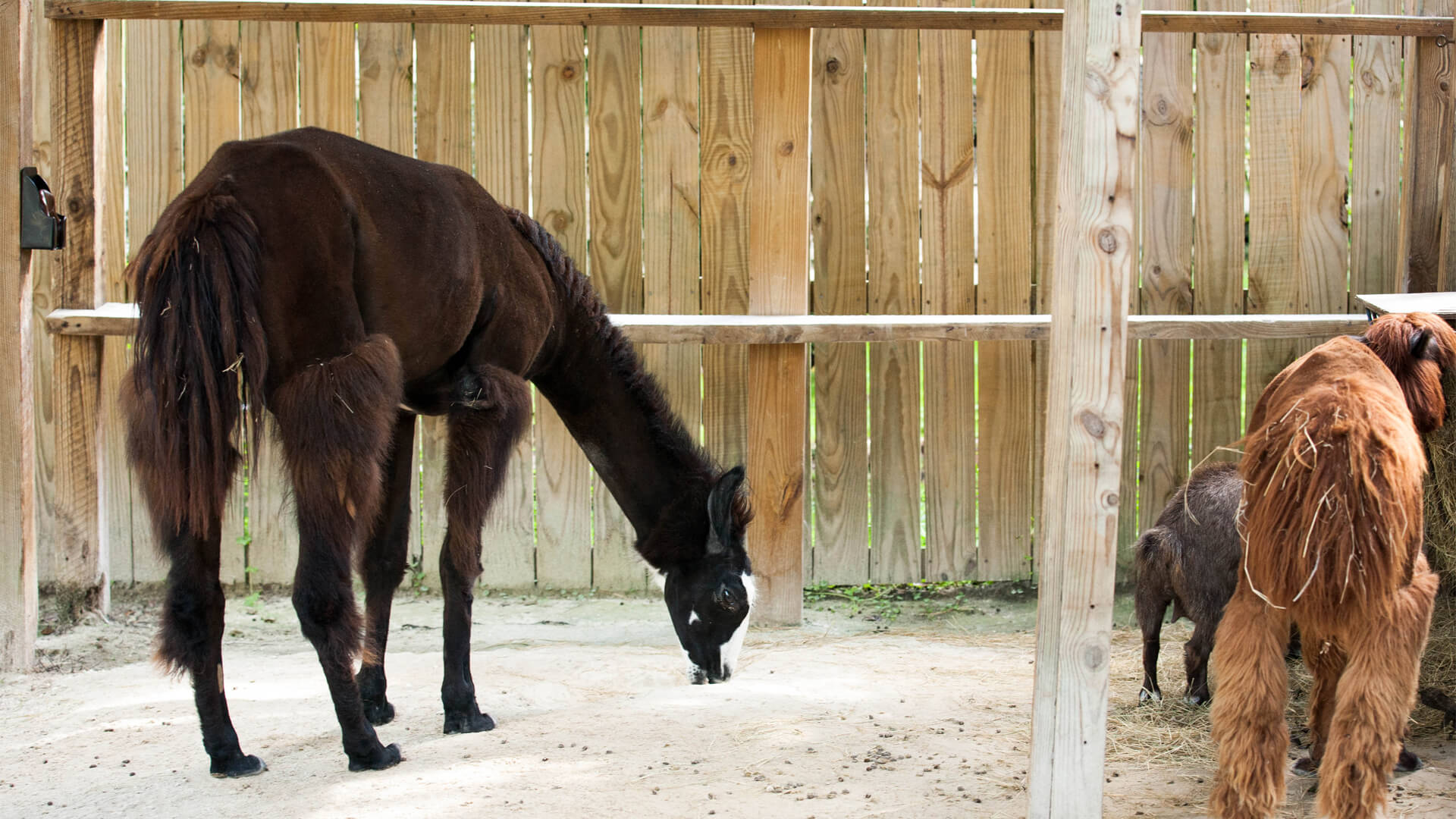
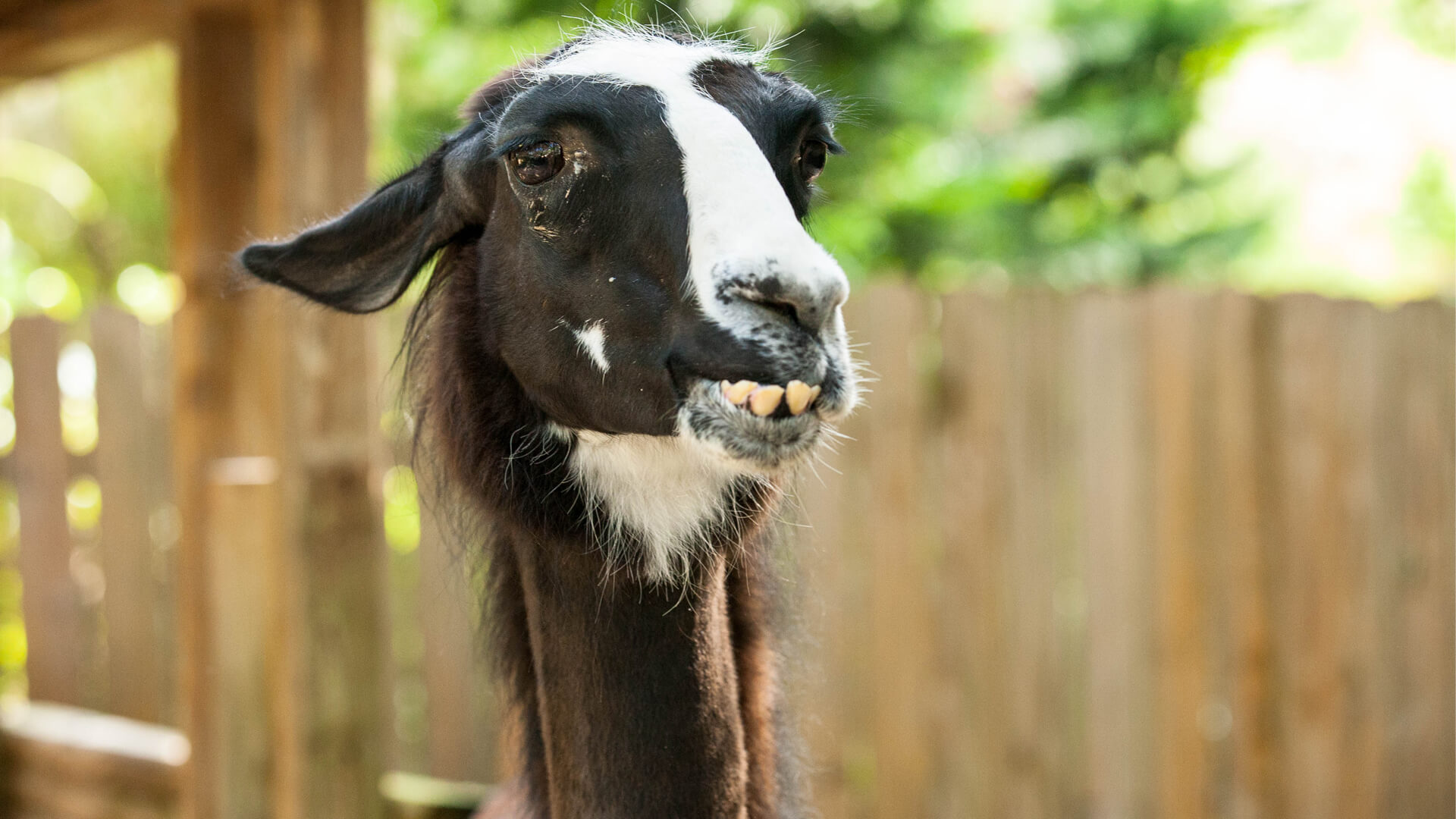
SOUTH AMERICA’S PACK ANIMAL Llamas are the largest of the South American camelids. They have long limbs and necks with shaggy coats that vary in color. They don’t have hooves but rather two padded toes which aid in keeping their footing on rocky trails and gravel slopes.
Llamas are believed to have been domesticated from wild guanacos 6,000 to 7,000 years ago.
Llamas play an important role in the lives of the native people of Argentina, Bolivia, Paraguay, Chile, and Peru as pack animals. They can carry heavy loads through the Andes Mountains. They can carry 25% of their own body weight for several miles. At the high altitudes they traverse there is a shortage of oxygen.
To combat this lack of oxygen, llamas have a very high red blood cell count and their hemoglobin is oval-shaped, allowing it to carry large amounts of oxygen. Llamas eat low shrubs and grasses, getting most of the moisture they need from their food. Llamas are ruminants with three stomachs.
SCIENTIFIC NAME
Lama glama
Fun Fact
The people of South America have been using llamas as pack animals to carry goods over the Andes for centuries.
Llamas are herbivores. This means they only eat plants. Come visit our llama, Andre, and you'll have the chance to feed him some of his favorite snacks!