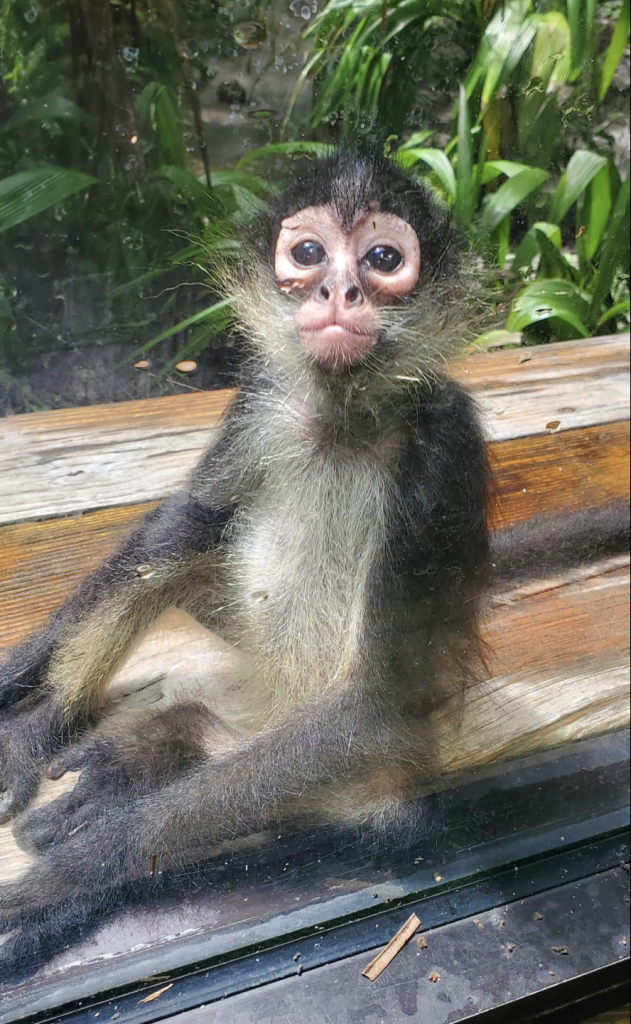
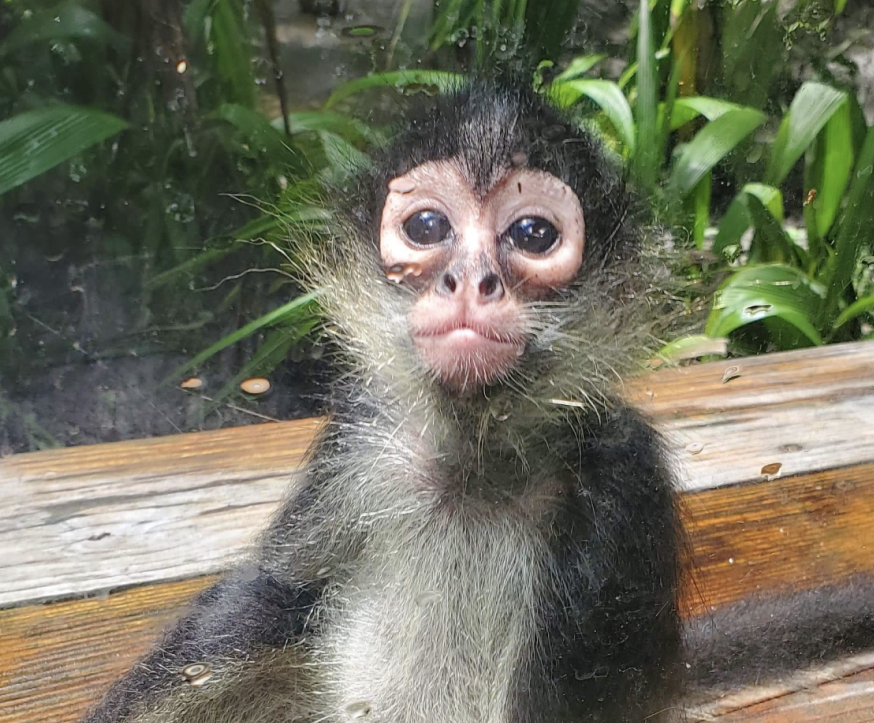
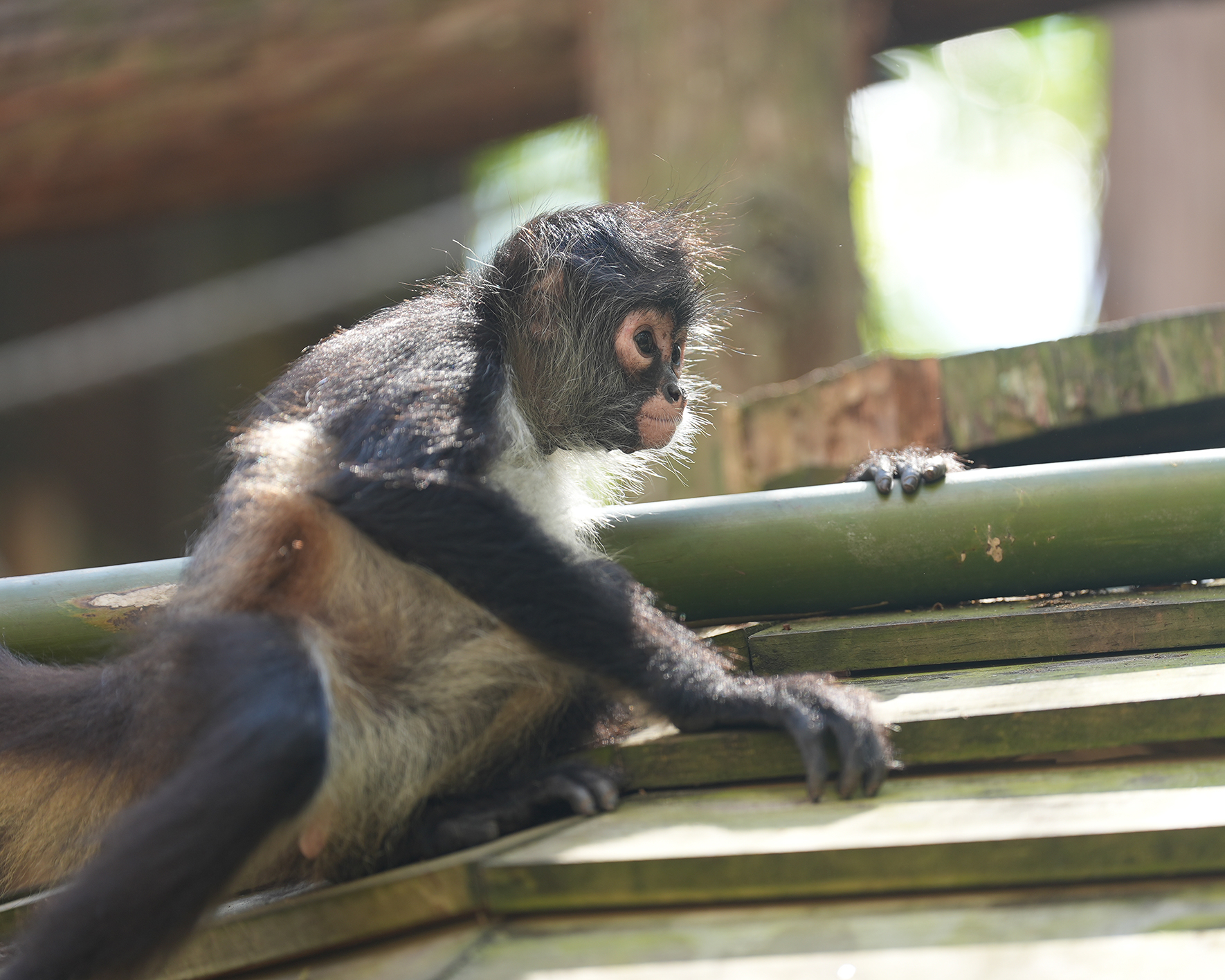
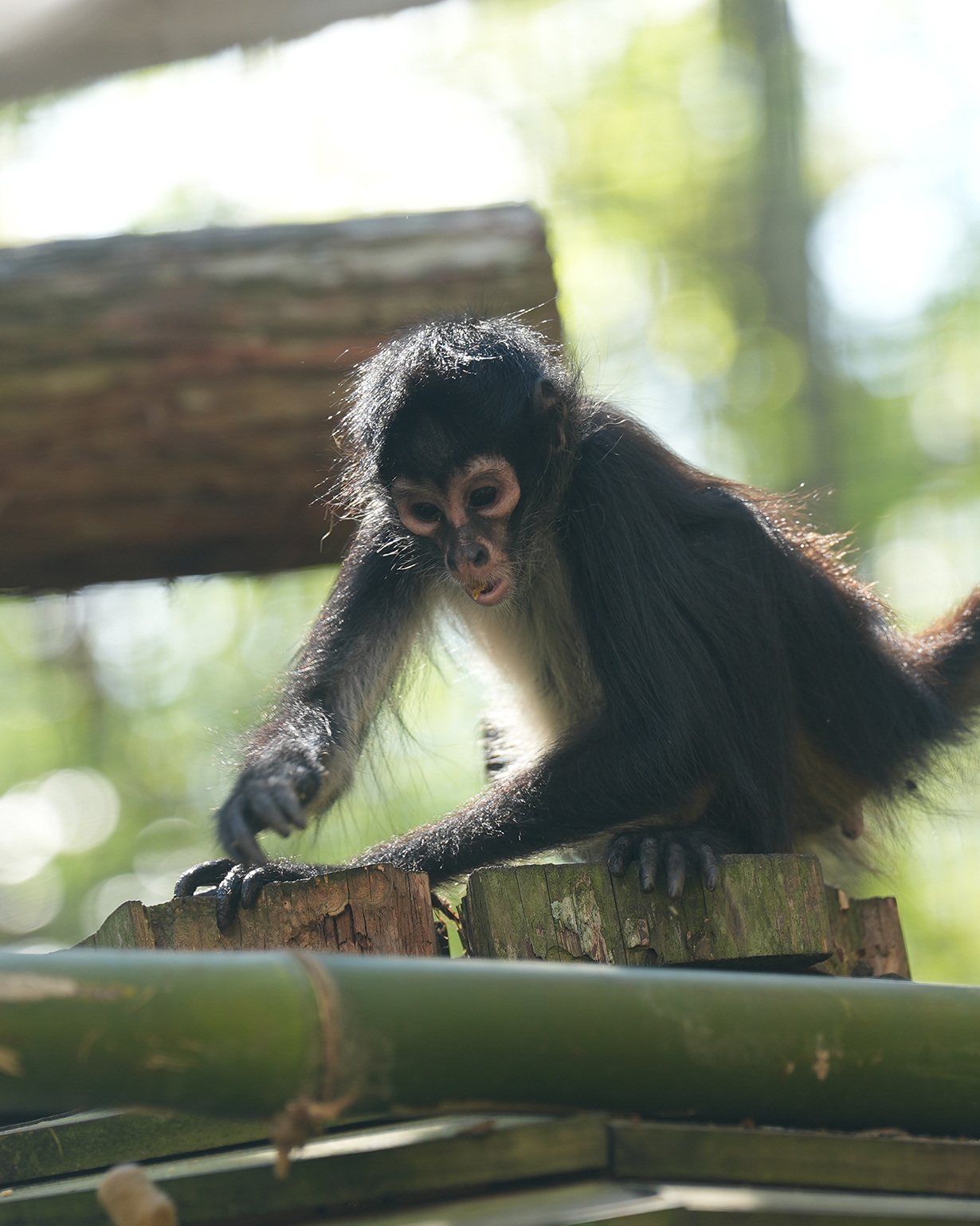
The cruel truth is that in order for wildlife traffickers to obtain infant spider monkeys to sell into the pet trade, they have to kill the entire troop. That’s exactly what officials believe happened to the three new spider monkeys who have been placed with the Central Florida Zoo & Botanical Gardens. Now, the three primates will serve as a beacon for hope for animal conservation in more ways than one.
The three infant Mexican spider monkeys were confiscated at the U.S/Mexico border, where they were being smuggled into the country as part of the illegal pet trade. Because they appear to be different ages, officials believe they are from three different troops, meaning many monkeys were killed in the wild to obtain the infants.
They came to the Central Florida Zoo & Botanical Gardens through a partnership with the U.S. government and the Association of Zoos & Aquariums (AZA).
The small troop is made up of one male and two females, all between 3-4 years old.
Because of the series of unfortunate events that robbed the babies of their ability to live out their lives in the tropical forest of Central America, the spider monkeys were named Sunny, Violet and Ollie, after the characters in the book series, “A Series of Unfortunate Events.”
But the fact that the spider monkeys will be able to live safely and serve as examples of the horrors of animal trafficking is not the only silver lining to their story. They will also be “founders” in the AZA’s Species Survival Plan. This means that they will bring new genetic lines to the AZA population of spider monkeys, supporting the goal of creating self-sustaining, genetically healthy populations in AZA-accredited institutions.
SCIENTIFIC NAME
Ateles geoffroyi vellerosus
Fun Fact
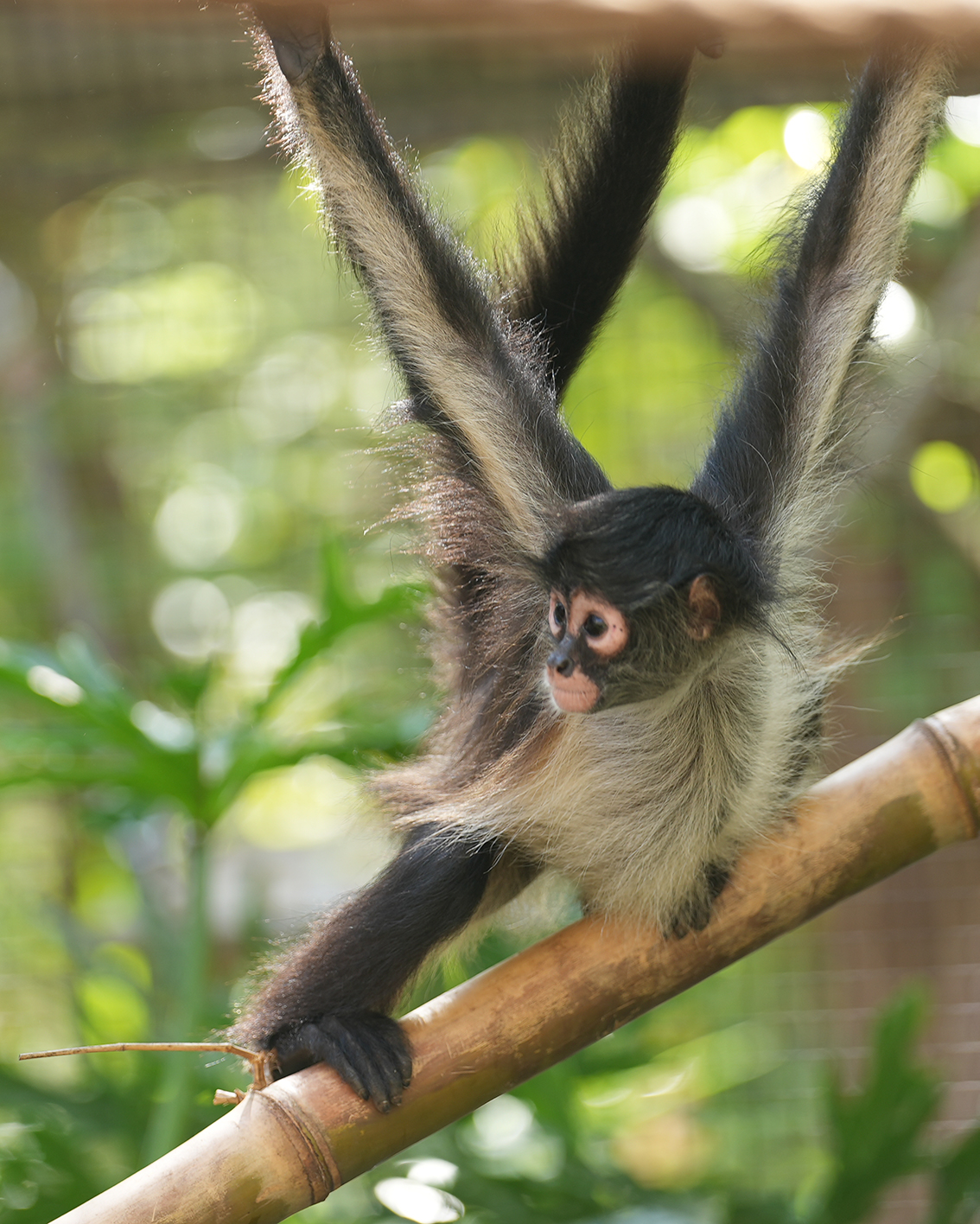
Mexican spider monkeys’ hands each have 4 long fingers and lack a thumb. This helps them swing from tree branch to tree branch.