Archive
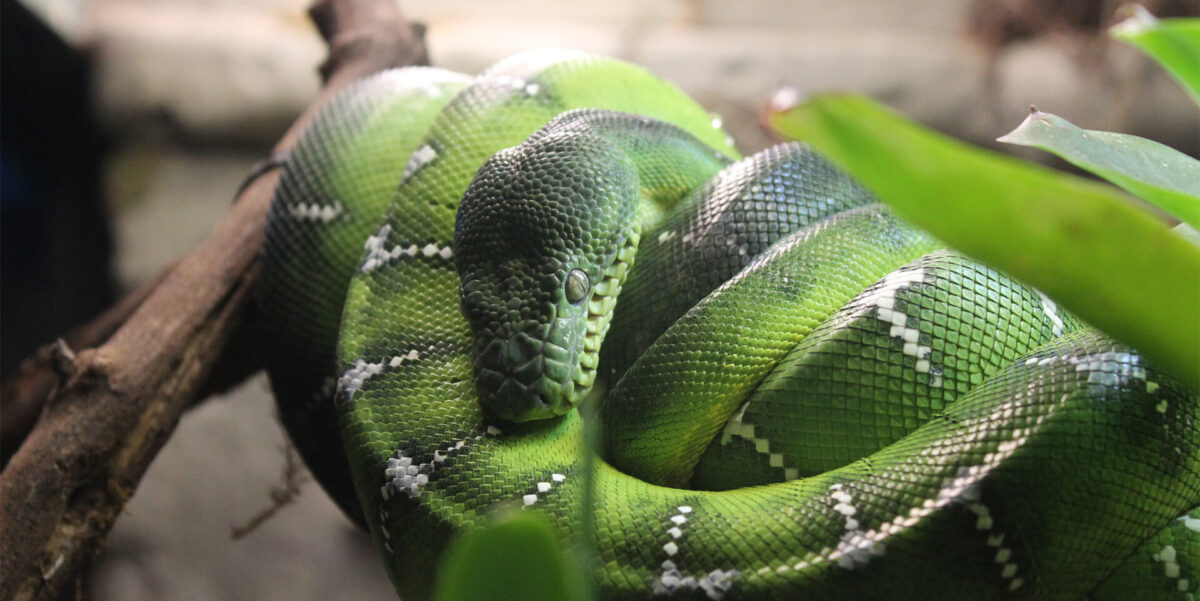
Emerald Tree Boa
TYPE: Reptile STATUS: Least Concern QUICK STATS Body size 4–9 feet2–4 pounds native habitat Rainforests of the Amazon Basin, from Venezuela to Brazil to northern Bolivia life expectancy Up to 25 years diet Small mammals, birds, lizards, frogs Reproduction oviviparous; 6–14 per litter predators Young boas may be preyed upon natural defenses...
 Kamren Scott
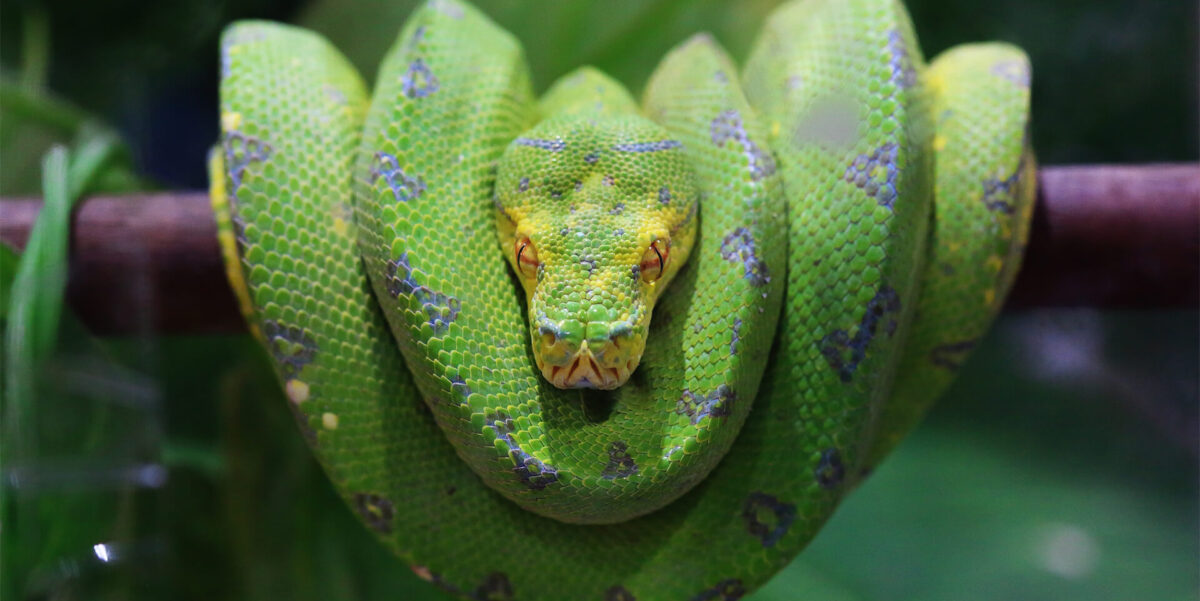
Green Tree Python
TYPE: Reptile STATUS: Least Concern QUICK STATS Body size 1–2 meters native habitat Rainforests in low or mid-level altitudes of Northern Australia, New Guinea, surrounding islands life expectancy Up to 15 years diet Small mammals, birds, reptiles Reproduction 30 eggs per clutch predators Birds of prey and humans natural defenses Camouflage,...
Kamren Scott
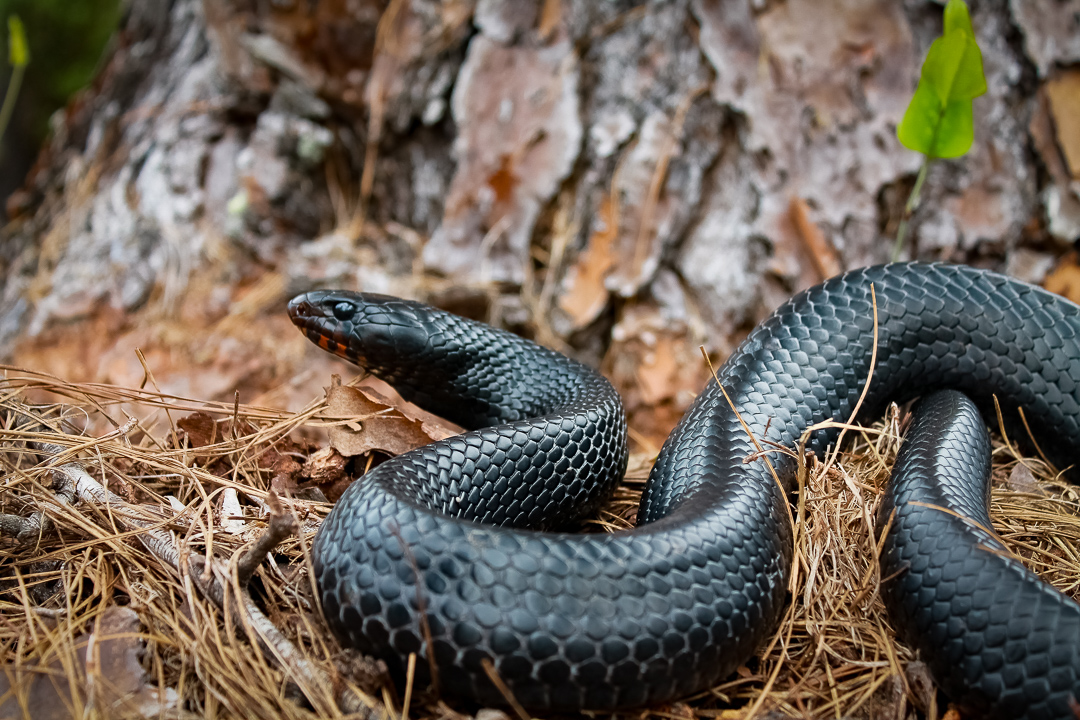
Eastern Indigo Snake
TYPE: Reptile STATUS: Least Concern (Protected in U.S.) QUICK STATS Body size 2.6 meters (about 8 feet) native habitat Scrubs, sandhills, swamps, flatwoods of Florida and Southeast Georgia life expectancy Up to 25 years in human care diet Other snakes, birds, small mammals Reproduction 4–12 eggs per clutch predators Young preyed upon by many...
Kamren Scott
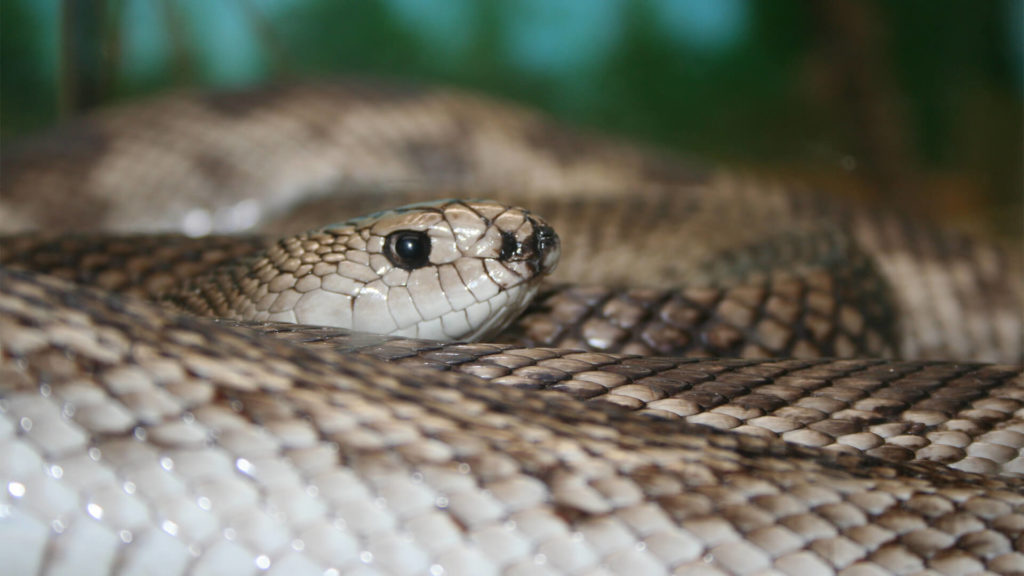
Florida Pine Snake
TYPE: Reptile STATUS: Least Concern QUICK STATS Body size 6–7 feet (231cm) long native habitat Pine woodlands and scrubland of Florida, southern Georgia and Alabama life expectancy Up to 20 years diet Pocket gophers, small mammals, lizards, snakes and their eggs Reproduction 4–8 large eggs per clutch predators When young, preyed upon by birds...
Kamren Scott
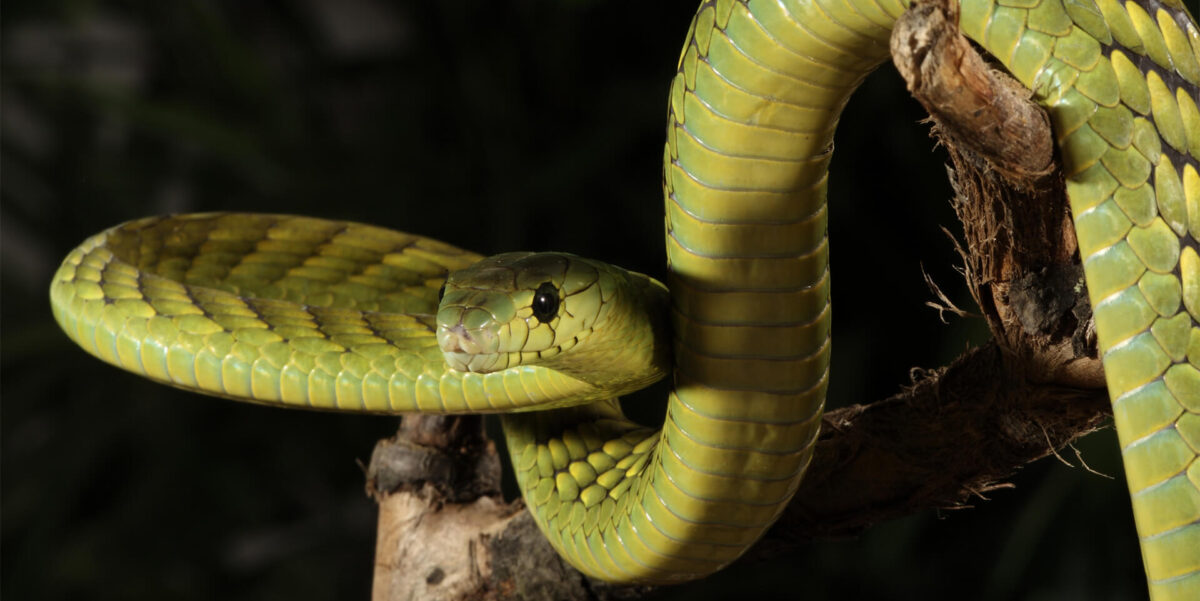
West African Green Mamba
TYPE: Reptiles STATUS: Least Concern QUICK STATS Body size Length: 2 meters native habitat Trees of humid forests of West Africa life expectancy Up to 18 years diet Mammals, birds, bats Reproduction Males will find females by following their scent trail predators Larger animals natural defenses Venom, speed About the Species IT’S IN THE...
Kamren Scott
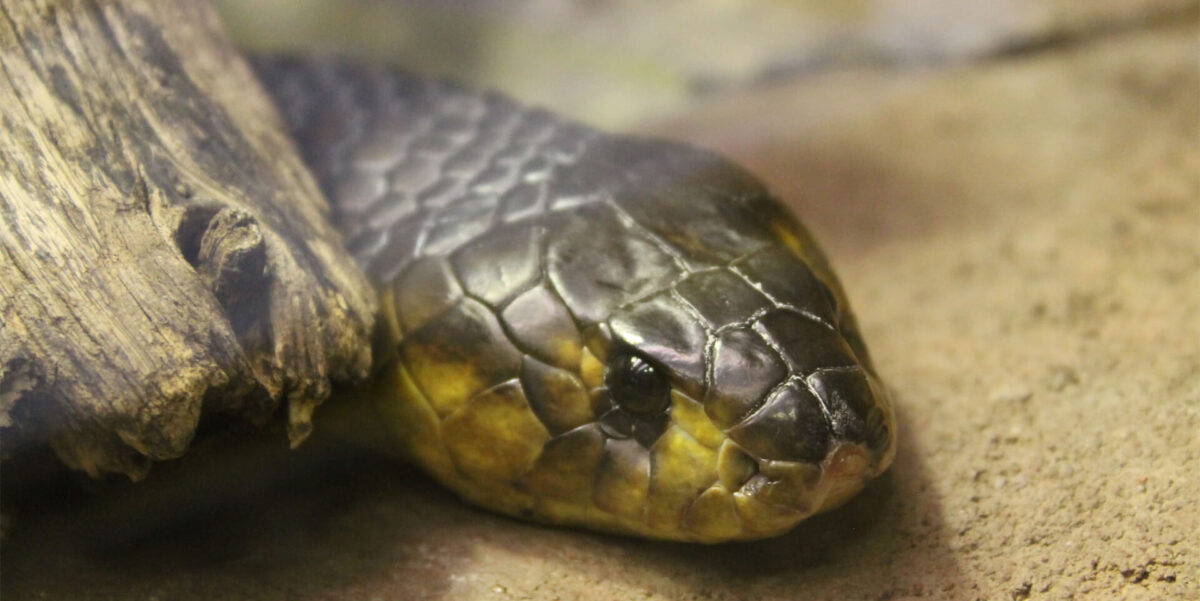
Egyptian Cobra
TYPE: Reptile STATUS: Vulnerable QUICK STATS Body size 5–7 feet (1.5–2 meters) native habitat Grasslands, semi-arid regions of Central and Northern Africa life expectancy 20 years diet Small mammals, toads, eggs, lizards Reproduction Up to 20 eggs per clutch predators Mongoose natural defenses venom, flattening neck to appear larger About the...
Kamren Scott
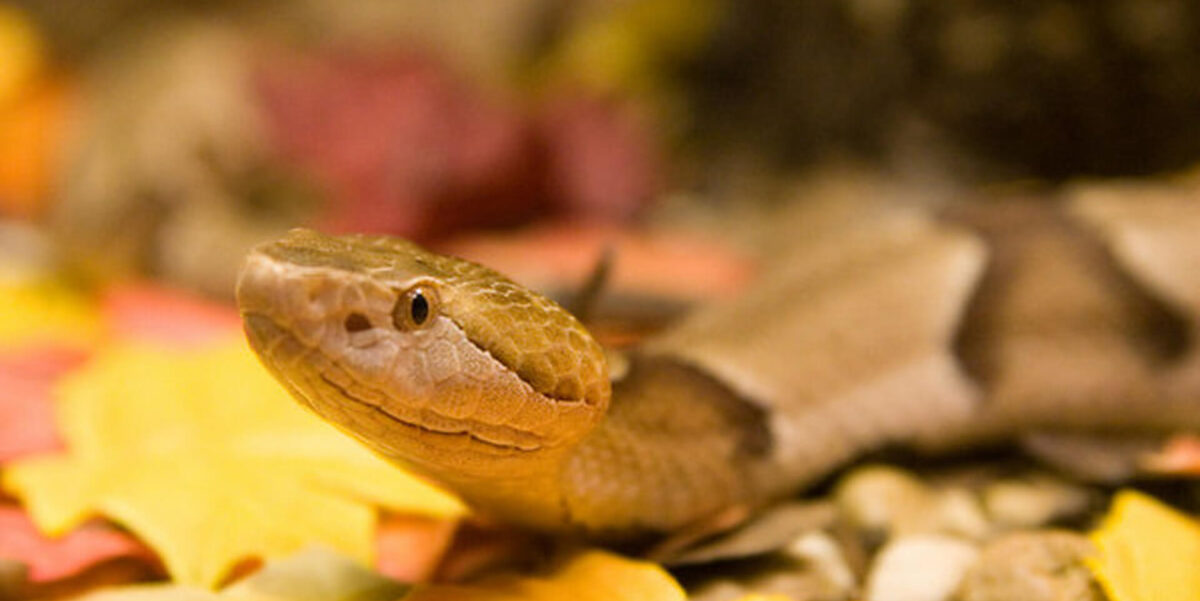
Southern Copperhead
TYPE: Reptile STATUS: Least Concern QUICK STATS Body size 76 cm. in length native habitat Forests, woodlands, swamps, caves, suburban areas of Southeastern United States diet Rodents, frogs and lizards, bird Reproduction 1–21 per clutch life expectancy 15 years predators Birds of prey, opossums, coyotes, other snakes natural defenses...
Kamren Scott
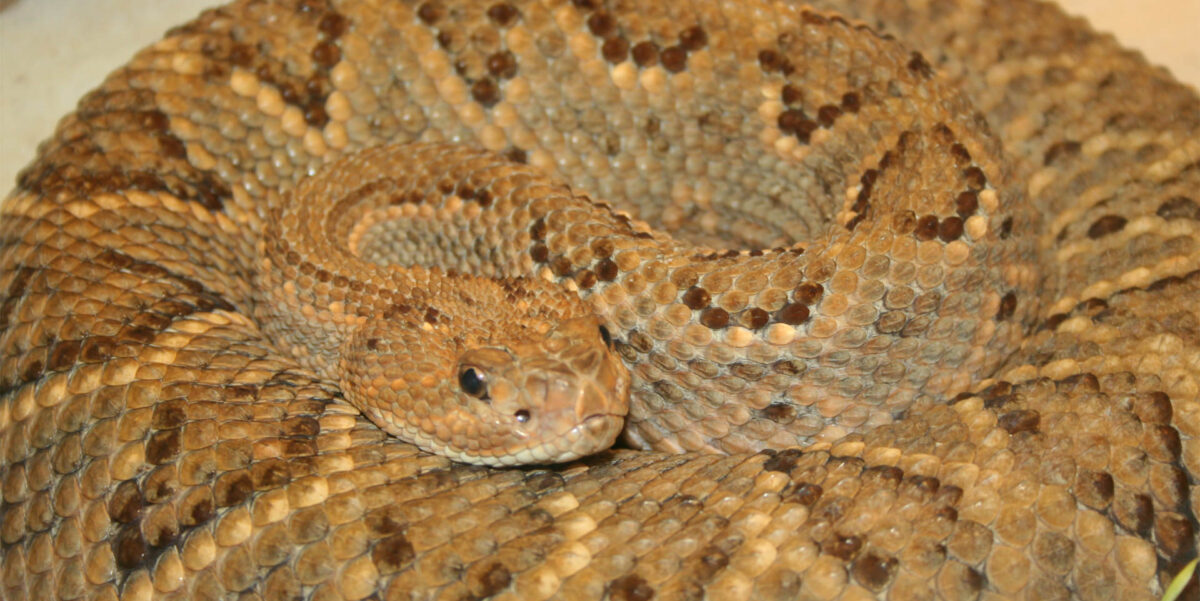
Aruba Island Rattlesnake
TYPE: Reptile STATUS: Critically Endangered QUICK STATS Body size 95 cm.09–1.4 kg native habitat Rocky, dry areas of Aruba Island (off the coast of Venezuela) life expectancy 12–20 years diet Small rodents, birds, lizards Reproduction Ovoviviparous (eggs hatched within body); 5–9 babies per litter predators Crested Caracaras, merlins, osprey...
Kamren Scott
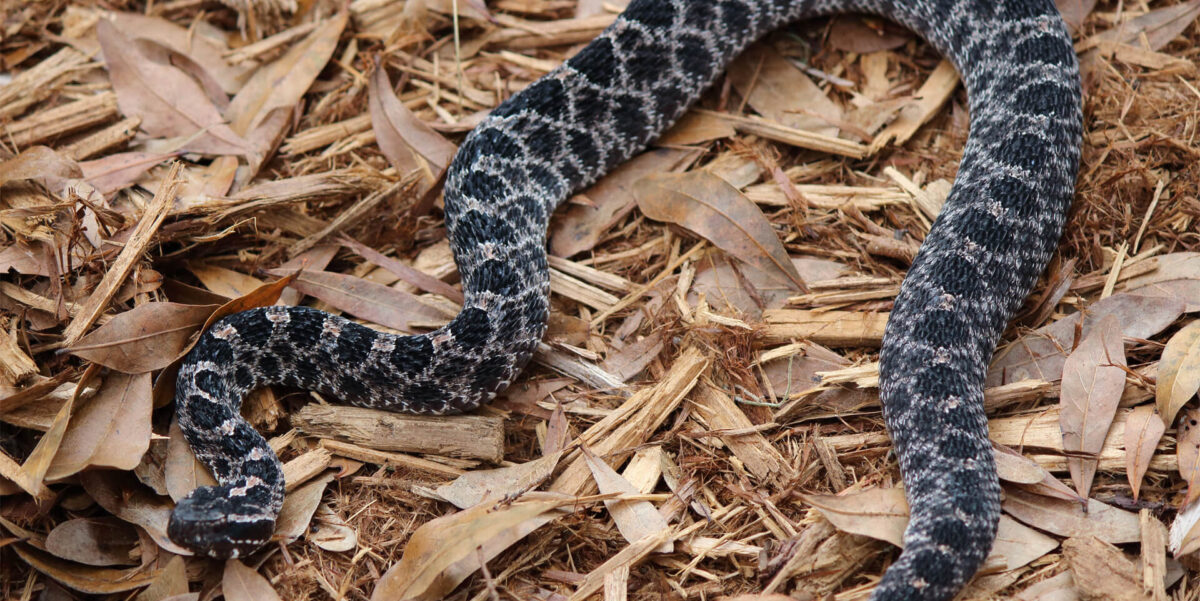
Dusky Pygmy Rattlesnake
TYPE: Reptile STATUS: Least Concern QUICK STATS Body size 36–60 cm long150 grams native habitat Moist/wet lowlands, logs, stumps animal burrows of FL (excl. Keys), to eastern NC, west to east TX and MO diet Mice, lizards, snakes, frogs insects, spiders nesting birds Reproduction ovoviviparous; 6 per litter on avg. life expectancy Up to 20 years...
Kamren Scott
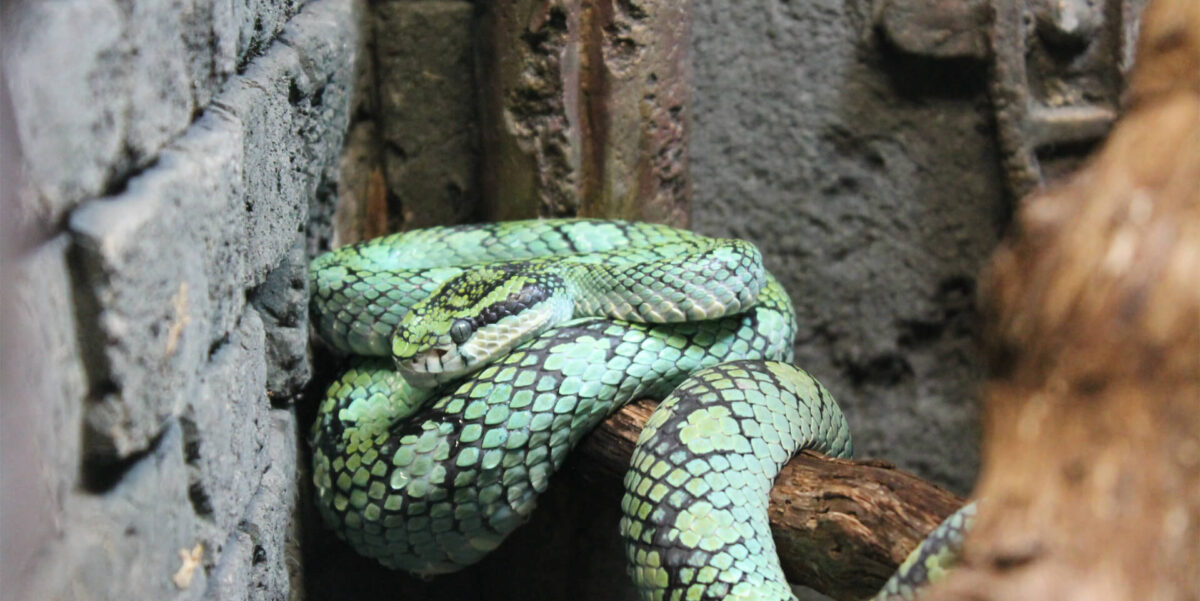
Sri Lankan Pit Viper
TYPE: Reptile STATUS: Not assessed by IUCN QUICK STATS Body size Males: 60–75 cmFemales: 130 cm native habitat Grasslands and rainforest areas of Southern Asia life expectancy 8–12 years diet Lizards, frogs, mammals, birds Reproduction Viviparous, produce 5–25 per birth predators Various raptors natural defenses Venom About the Species...
Kamren Scott