Temperate forests of Amur basin of China and Russia
life expectancy
10–15 years
diet
Hare, deer, and other small mammals
Reproduction
1–6 cubs per litter
predators
Top predator but competes with Amur tigers for food
natural defenses
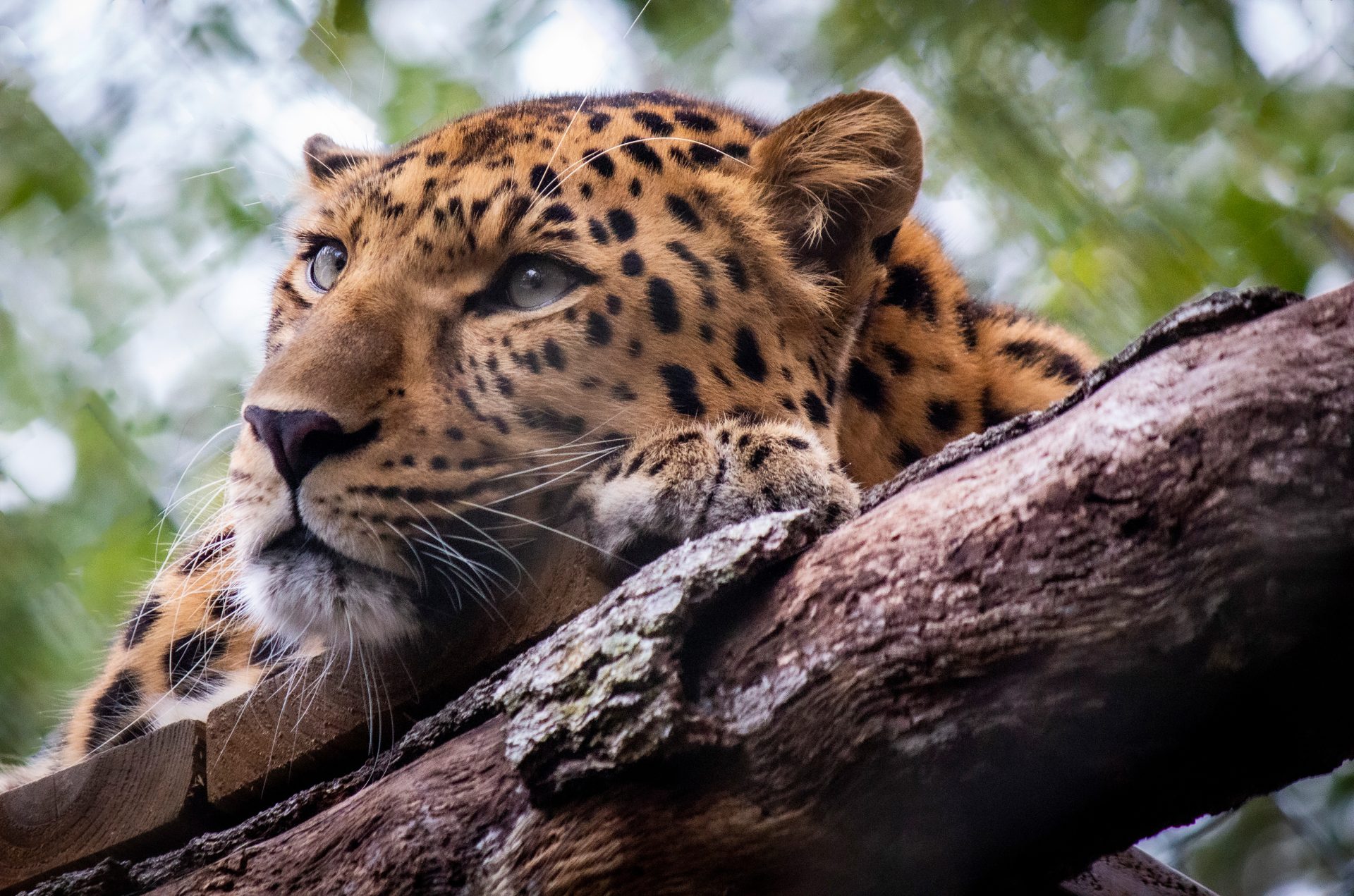
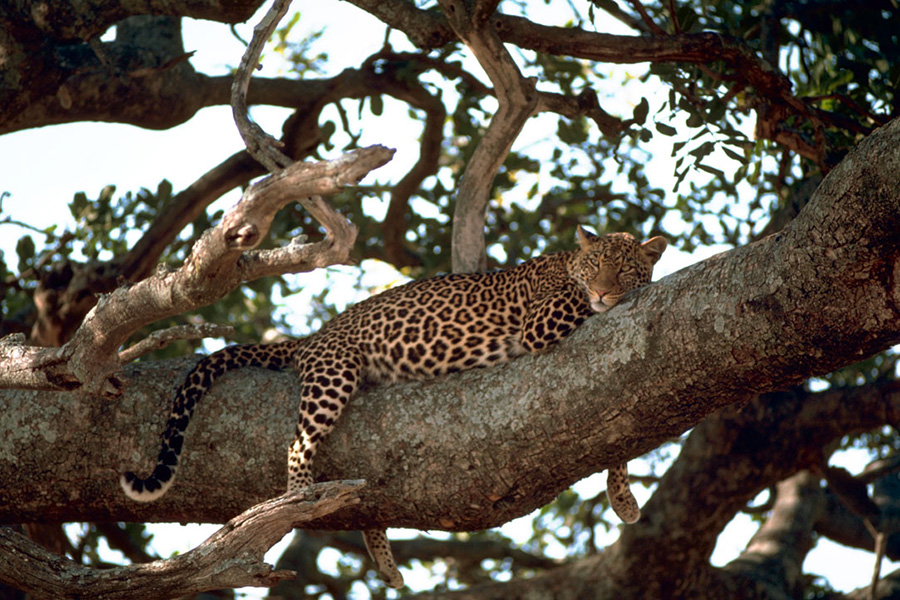
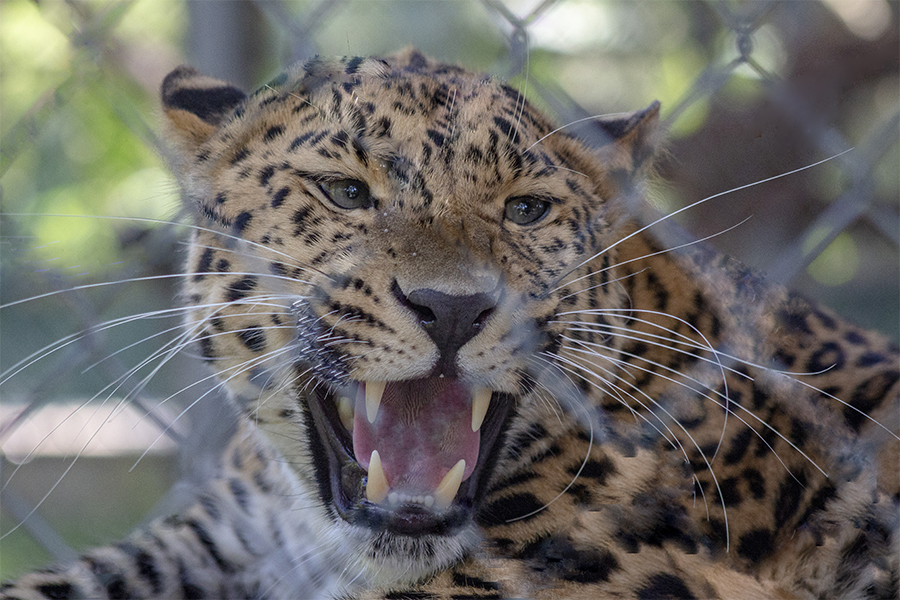
Sharp teeth and claws, camouflage, ability to climb trees
About the Species
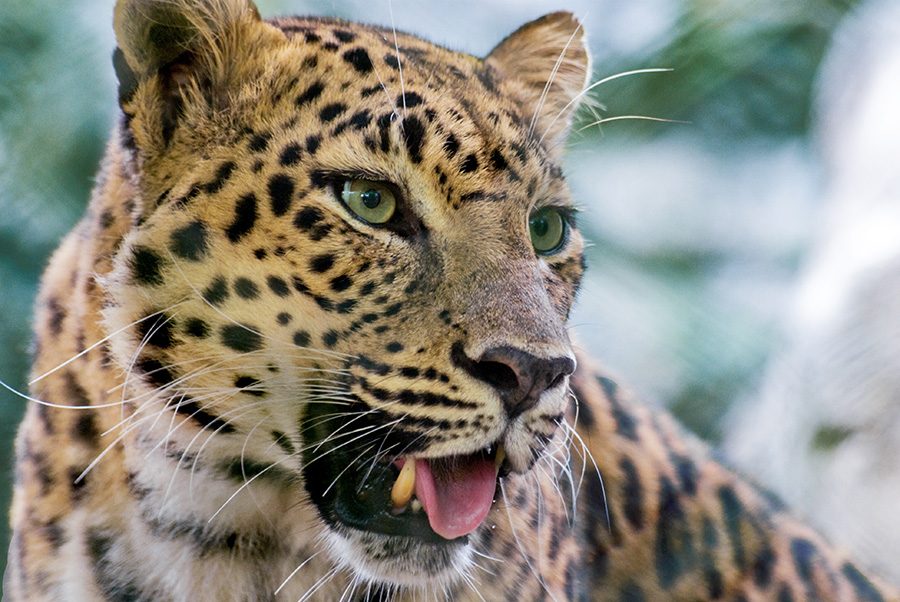
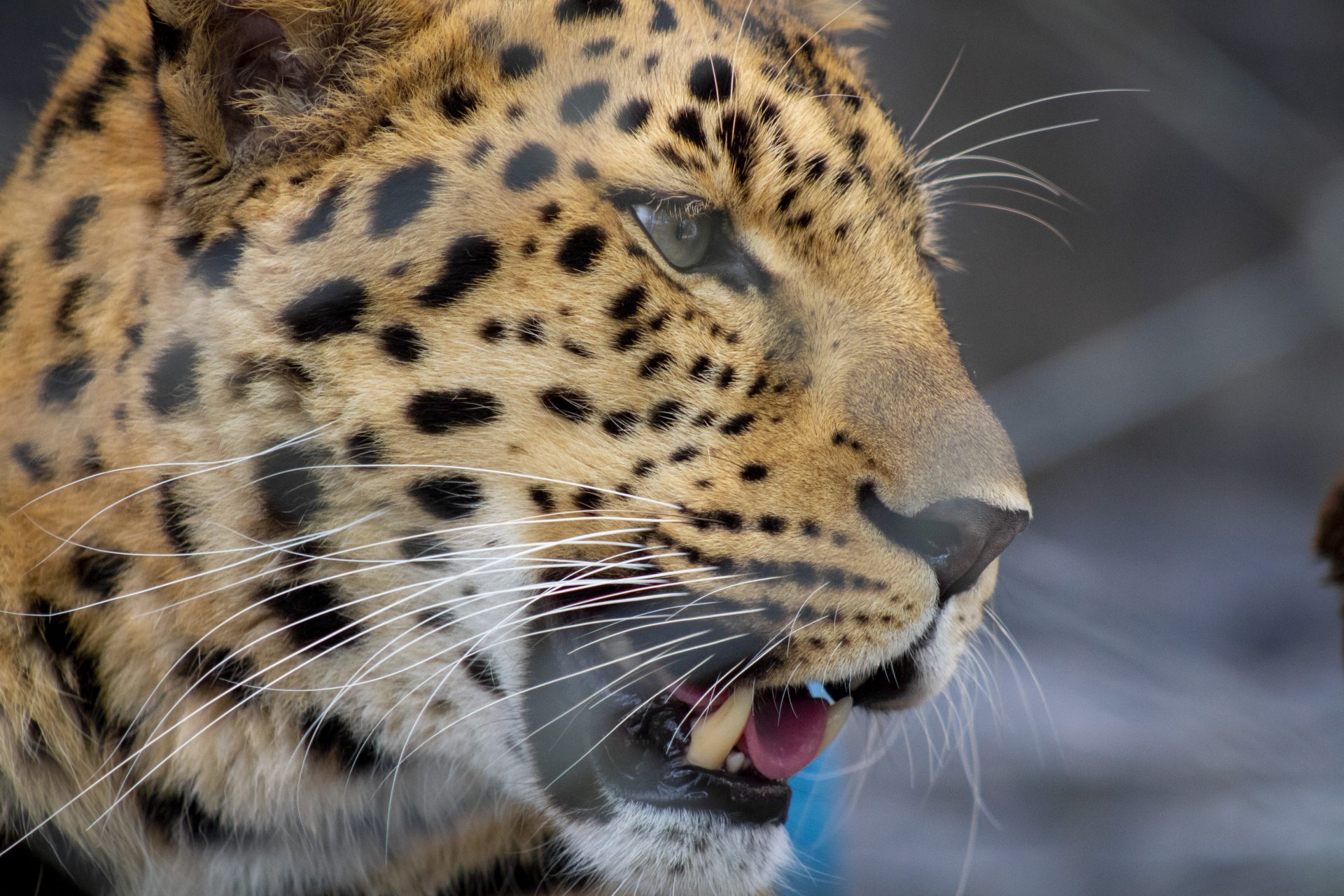
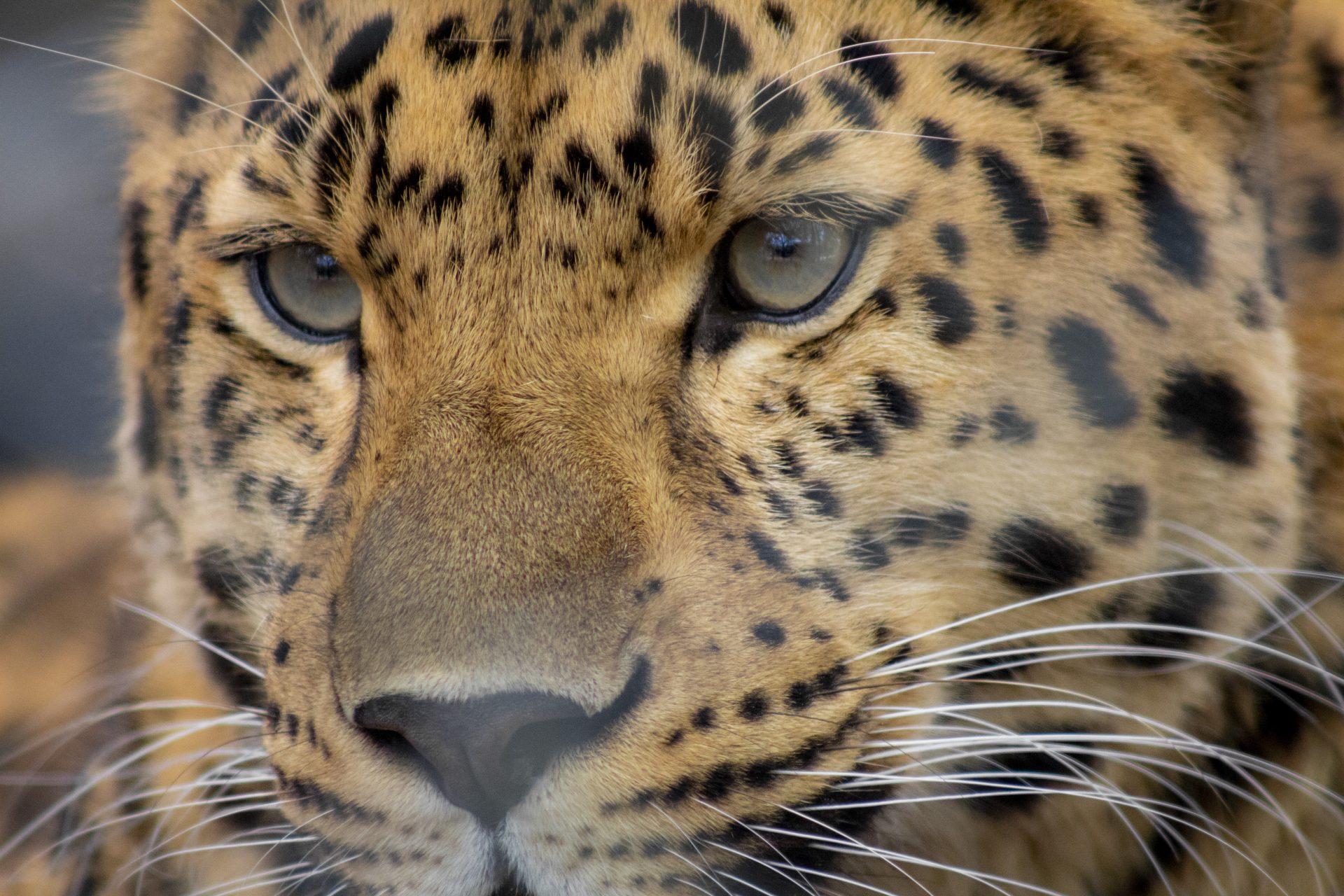
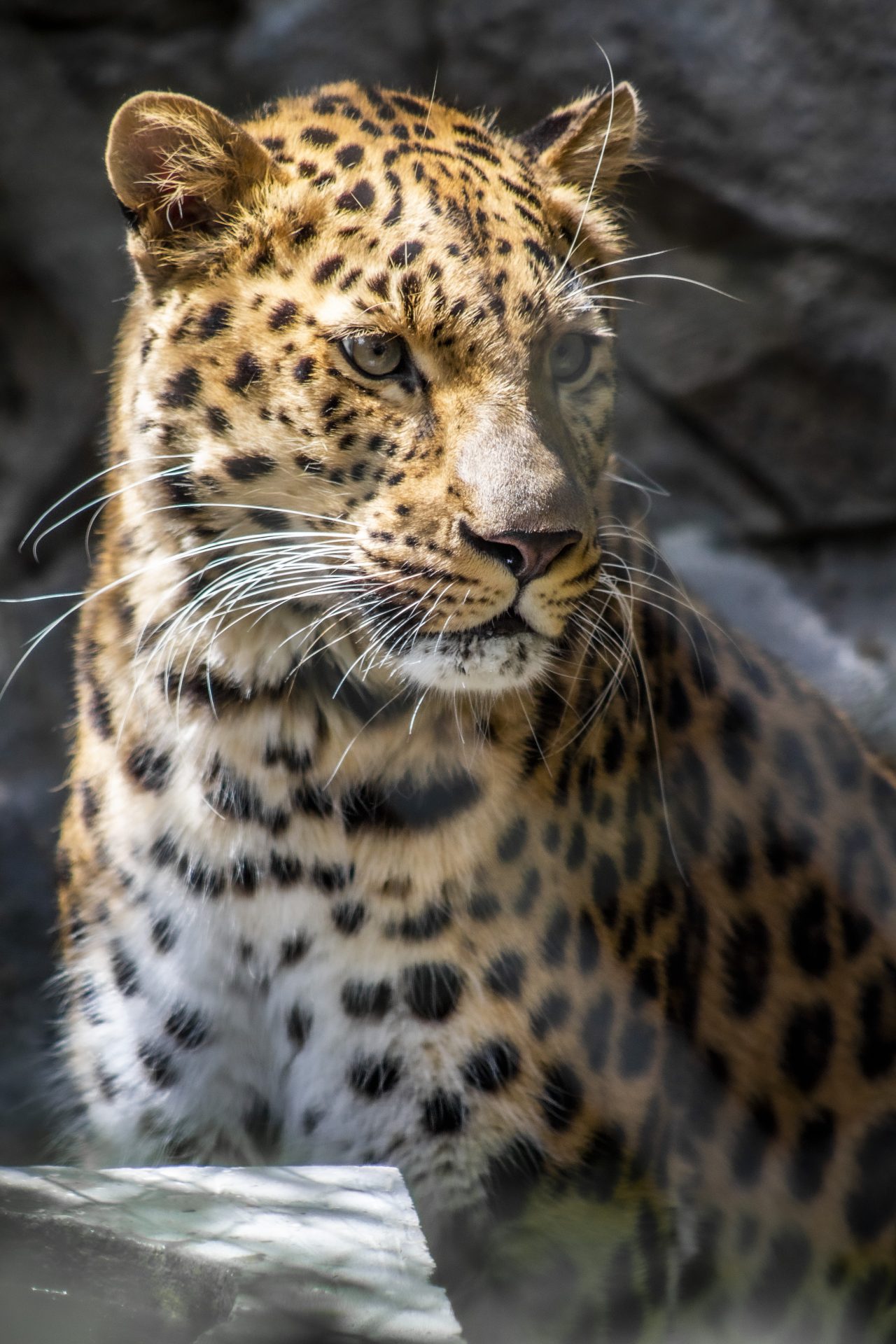
THE MOST CRITICALLY ENDANGERED BIG CAT Amur leopards are one of just ten subspecies of leopard, and is distinguishable by its pale coat.
Cats adapted to the cold The native range of these big cats spans between southern Russia and northern China. They have thick coats to keep them warm during the winter seasons but have no problem adapting to other weather conditions. They are unfortunately critically endangered, with fewer than 100 believed to be remaining in their natural habitat. In human care, there are around 200 individuals and worldwide conservation efforts are in effect to restore the population to a healthy, stable level.
SCIENTIFIC NAME
Panthera pardus orientalis
Fun Fact
Leopards are primarily solitary unless mating. They are skillful and opportunistic hunters, feeding on a wide variety of food. They’ll stalk their prey within a few meters before making the pounce.