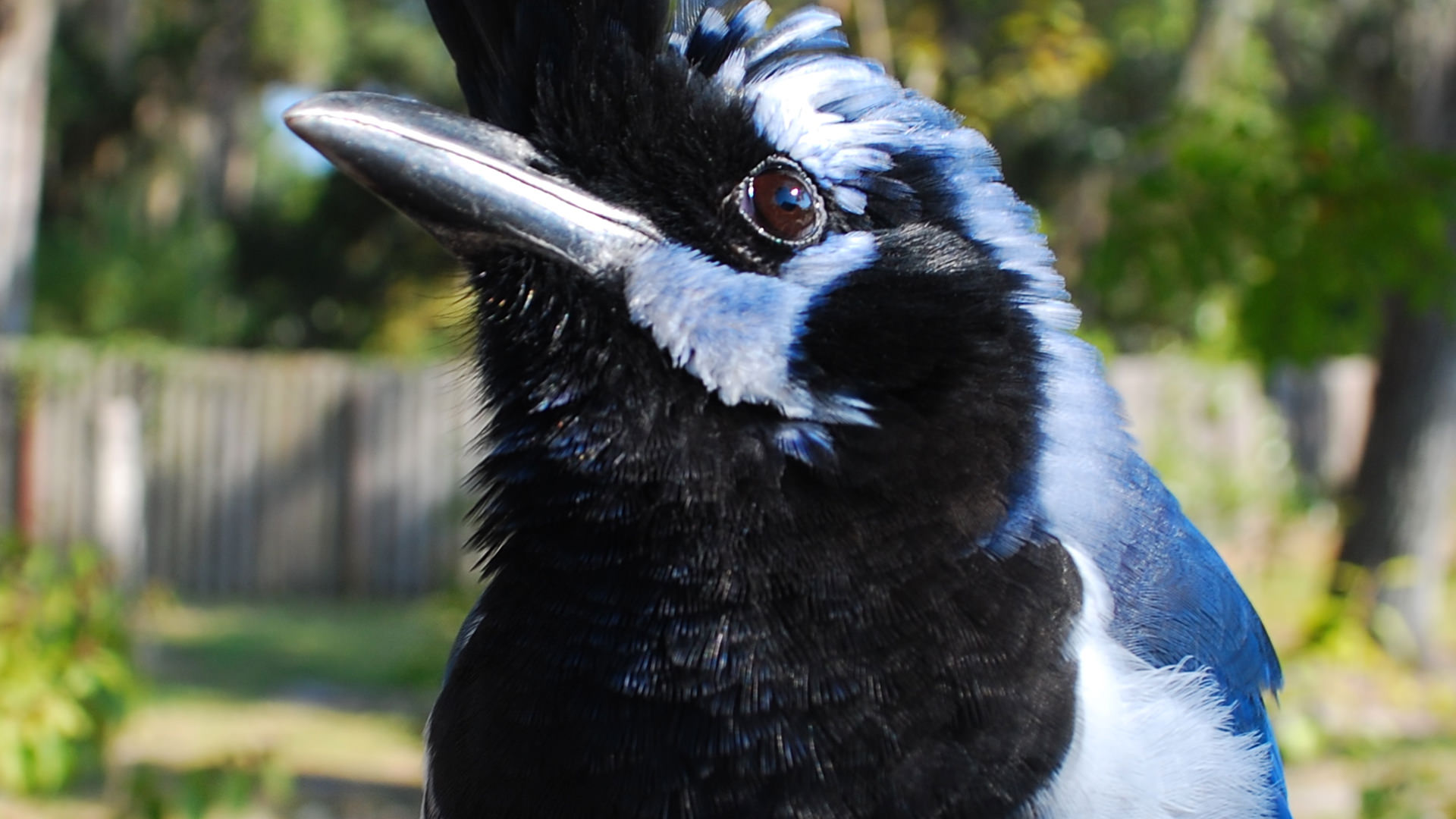
STATUS: Least Concern, but populations are in decline
QUICK STATS
Body size
Height: 23-30 inches 0.5 lbs (avg.)
native habitat
Dry and sub-humid forests of Northwestern Mexico
life expectancy
Up to 20 years
diet
Insects, nut, seeds, other small birds, Balsa blossom nectar
Reproduction
3–4 eggs per clutch
predators
Jaguars, eagles, hawks and snakes
natural defenses
Gang up to frighten predators
About the Species
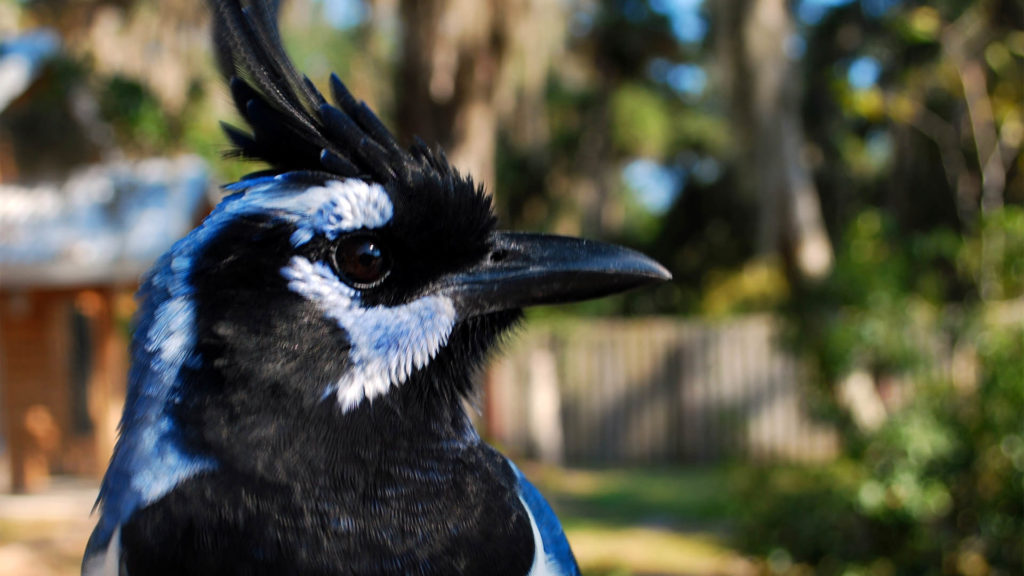
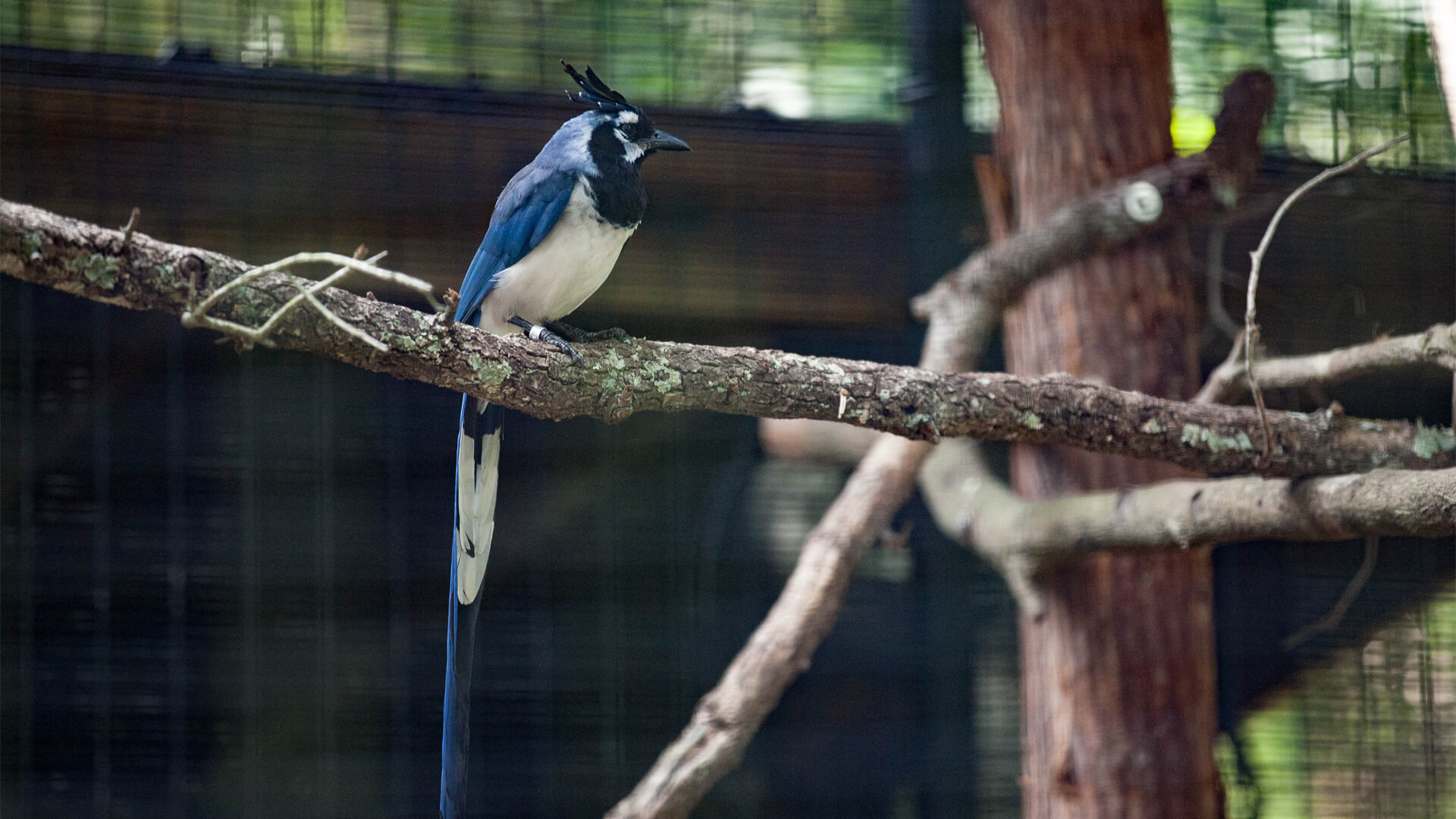
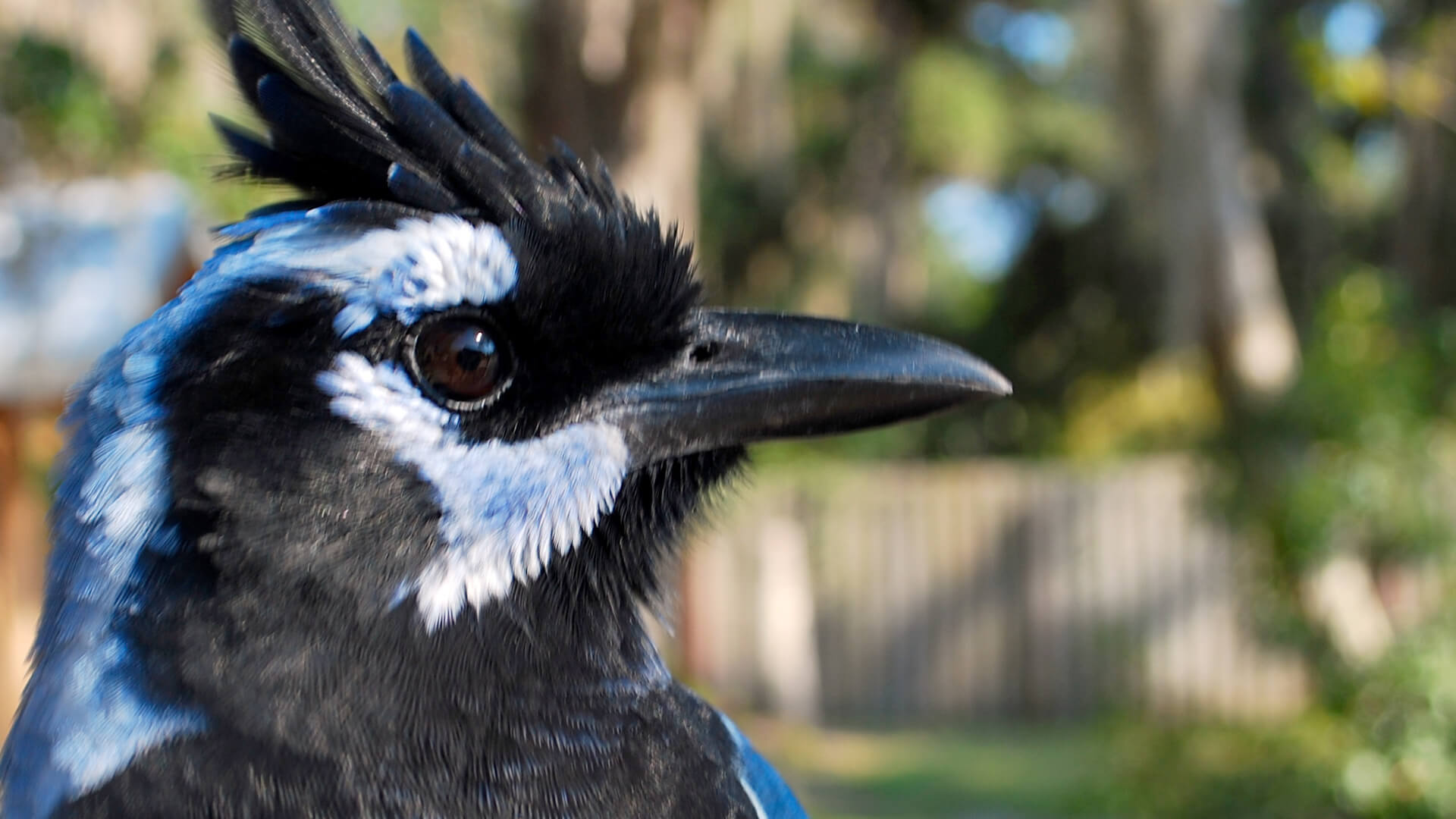
Black-throated magpie jays belong to the Corvidae family of birds. This group includes the crows, jays, and magpies, most known for their gregarious and intelligent nature. Black-throated magpie jays are no exception to these characteristics. Currently, these intelligent birds serve as ambassador animals.
Not much research has been done on black-throated magpie jays in the wild, but like other jays, they are intelligent and charismatic birds.
Also known as the Collie’s magpie jay, the black-throated magpie jay is a is confined to northwest Mexico, although they are occasionally sighted in California and other locations along the west coast.
They are closely related to the white-throated magpie-jay, and the two sister-species have been known to hybridize. These birds are highly social and vocal omnivores, eating insects, seeds, nuts, and even the chicks of other birds species.
Black-throated magpie jays are monogamous birds, meaning they mate for life. The conservation status of these birds shows that they are of least concern and their populations are believed to be stable, but more research is necessary in order to evaluate any conservation efforts we could be taking for the benefit of this species’ future.
SCIENTIFIC NAME
Calocitta formosa colliei
Fun Fact
Black-throated magpie jays eat standing on one foot and use their other foot to hold food up to their mouths!