
Blue Duiker

Content Image

TYPE: Mammal

STATUS: 
Least Concern

QUICK STATS

Body size

30-40 centimeters (12-16 inches) at the shoulder

native habitat

Rainforests and woodland floors of Africa’s dense forests

life expectancy

Up to 10-12 years in the wild

diet

Leaves, fruits, tender shoots

Reproduction

Solitary, typically single offspring

predators

Leopards, pythons, birds of prey

natural defenses
Cryptic coloration, agility

About the Species

PINT-SIZED ANTELOPE
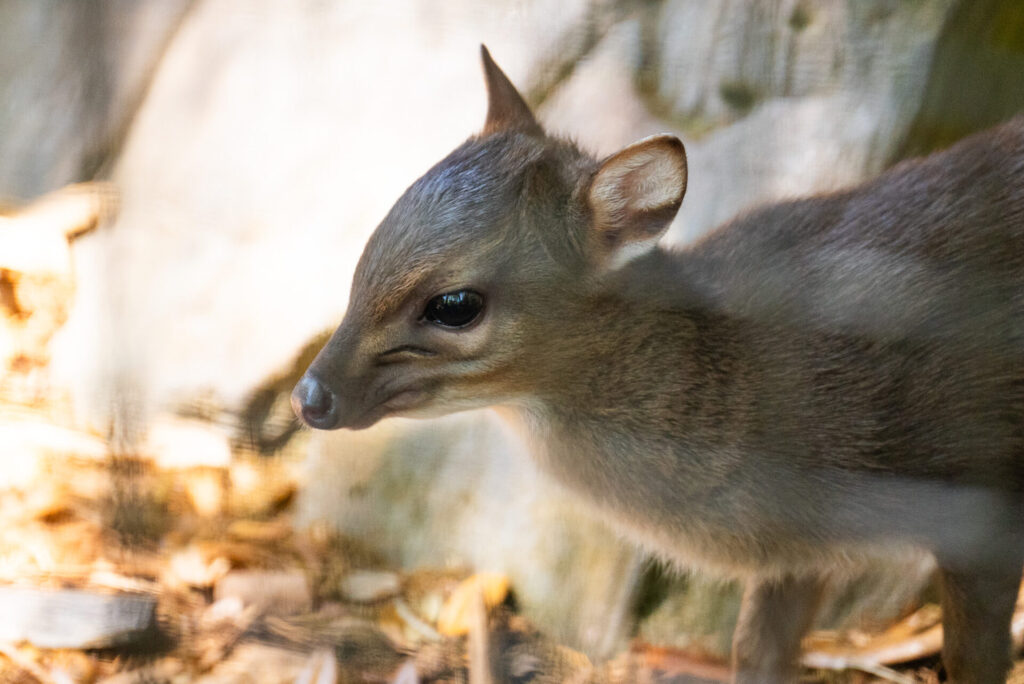
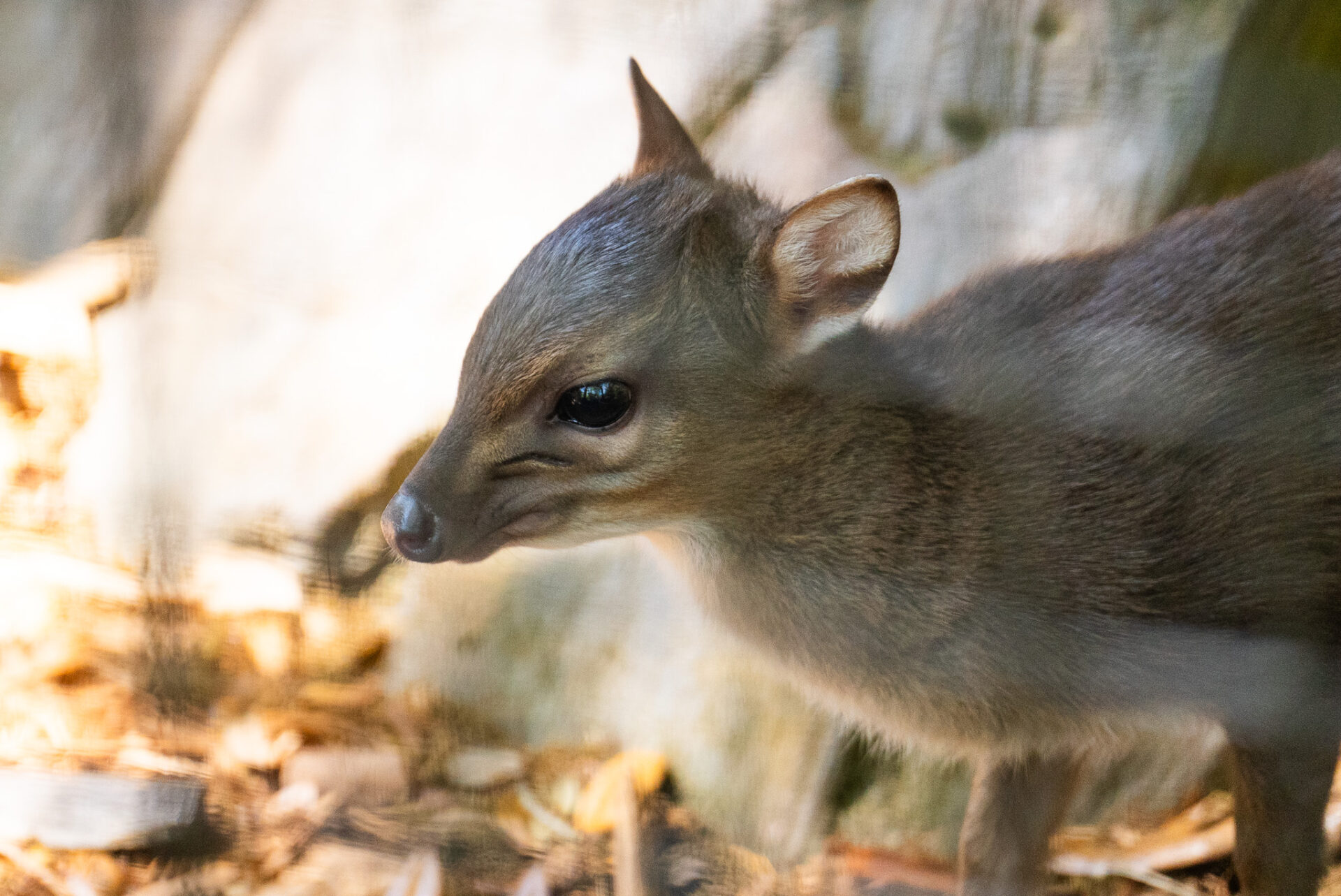
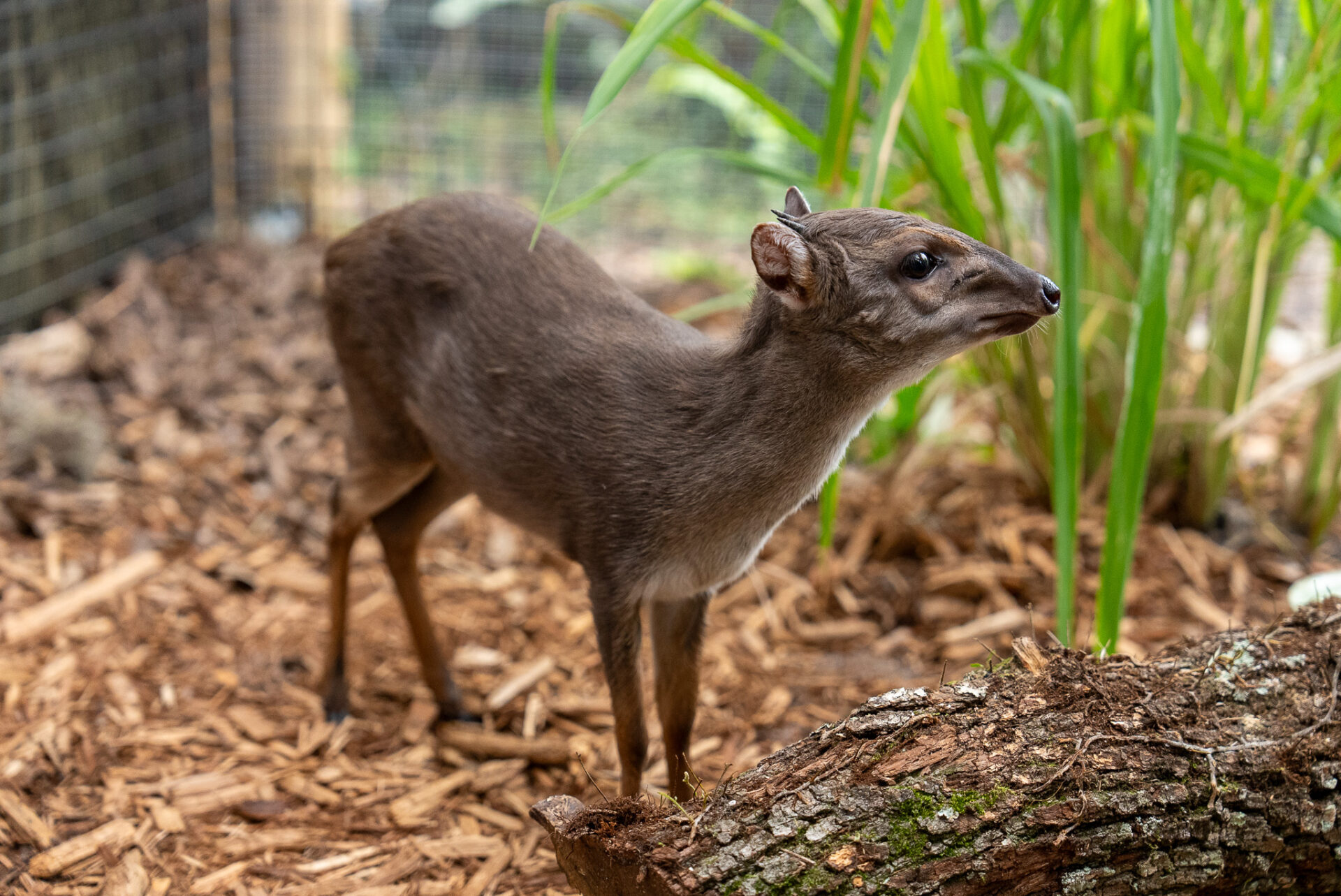
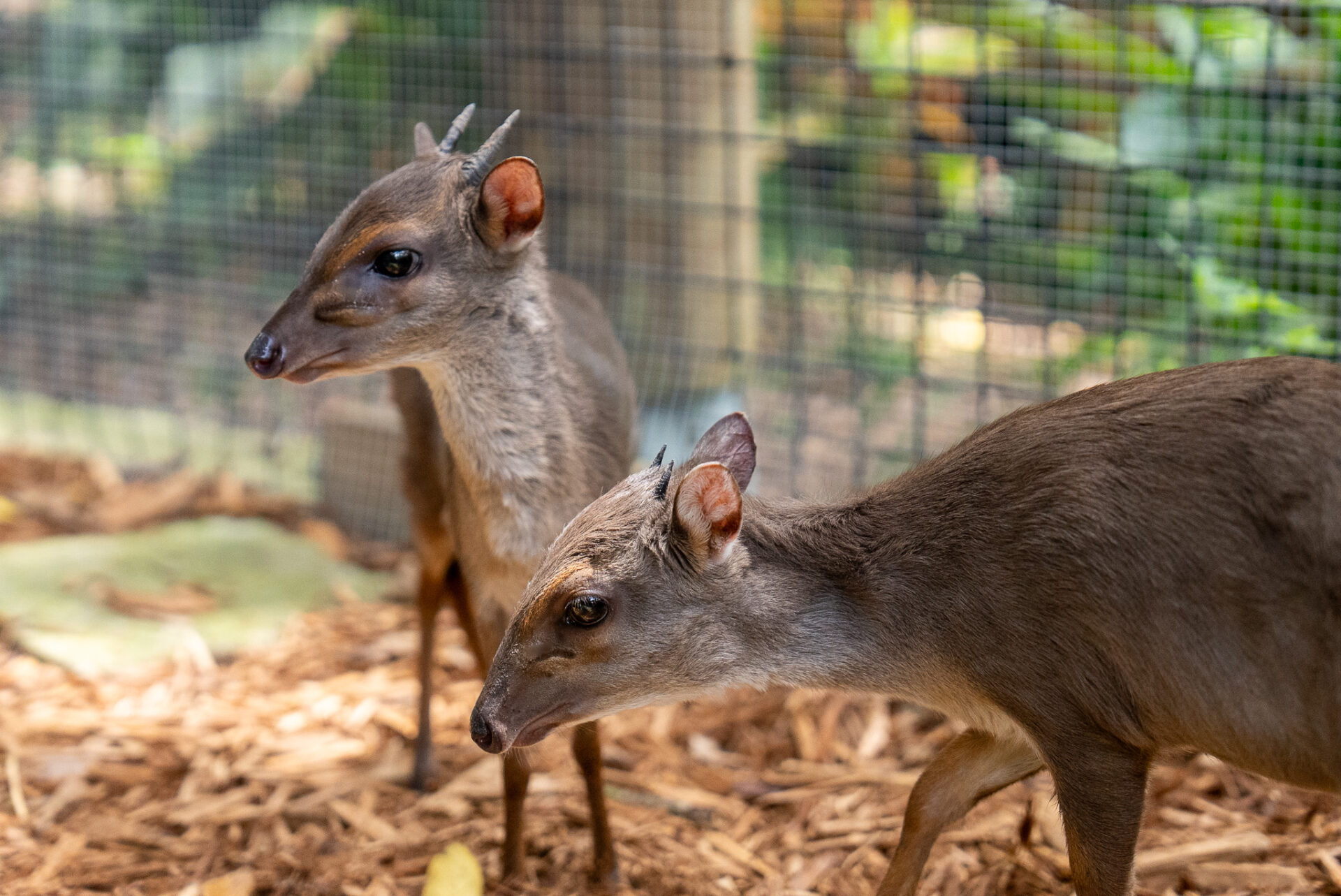
The blue duiker is one of the Africa’s smallest species of antelope, only slightly larger than a modern-day housecat.

The blue duiker (Catagonus wagneri) is a small antelope species native to the dense rainforests and woodlands of Central and West Africa.

Despite its diminutive size, typically measuring around 30-40 centimeters (12-16 inches) at the shoulder, the Blue Duiker possesses remarkable adaptions for survival in its habitat. Sporting a slate-blue to grayish-brown coat, it blends seamlessly into the forest underbrush, evading predators with ease. These solitary creatures are skilled foragers, feeding on leaves, fruits, and tender shoots found amidst the dense foliage.

Blue Duikers play a vital role in their ecosystem as seed dispersers and contributors to the forest’s biodiversity. However, they face threats from habitat loss due to deforestation, hunting for bushmeat, and human encroachment. Conservation efforts are crucial to ensuring the long-term survival of this enchanting species and the preservation of its forest habitat.

Look closely to see the blue duiker’s scent-marking glands, shown as a dark line under each eye. They use these secretions to mark their territory and communicate with other blue duikers.

SCIENTIFIC NAME

Catagonus wagneri

Fun Fact

Duikers get their name from the Afrikaans word ‘duik’ – meaning ‘to dive’, referring to this animal’s ability to quickly dive into vegetation to take cover.

Wildlife Insights

WORD FROM
THE EXPERTS

Come see Bisque, the newborn male blue duiker, with his excellent first-time mother, Kadidi. They can be seen sharing the forest floor of the wreathed hornbill habitat.

Chris Torge, Director of Animal Operations