Well adapted to a wide variety of habitats in central and northern Florida
life expectancy
10 years on avg.
diet
Omnivores (plants, insects, and animal matter)
Reproduction
1–6 cubs per litter
predators
Automobiles are the No. 1 killer of black bears
natural defenses
Fleeing up trees or bluff charging
About the Species
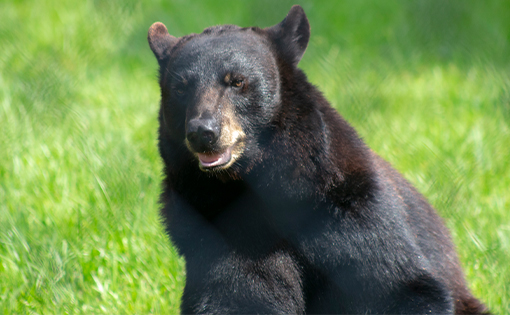
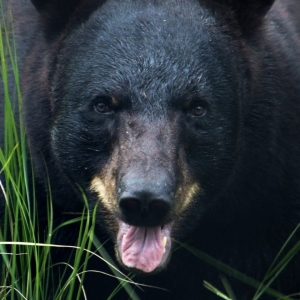
A SUBSPECIES OF THE AMERICAN BLACK BEAR Black bears are shy and secretive, hiding in dense vegetation and rarely seen in the wild.
Bearied in Thought Florida black bears will normally consume 5,000 calories a day, but in the fall this number may be as much as 20,000 calories per day.
Black bears are curious animals, and often stand up on their hind legs to get a better view and smell of their surroundings. Don’t be afraid: this behavior is not a sign of aggression!
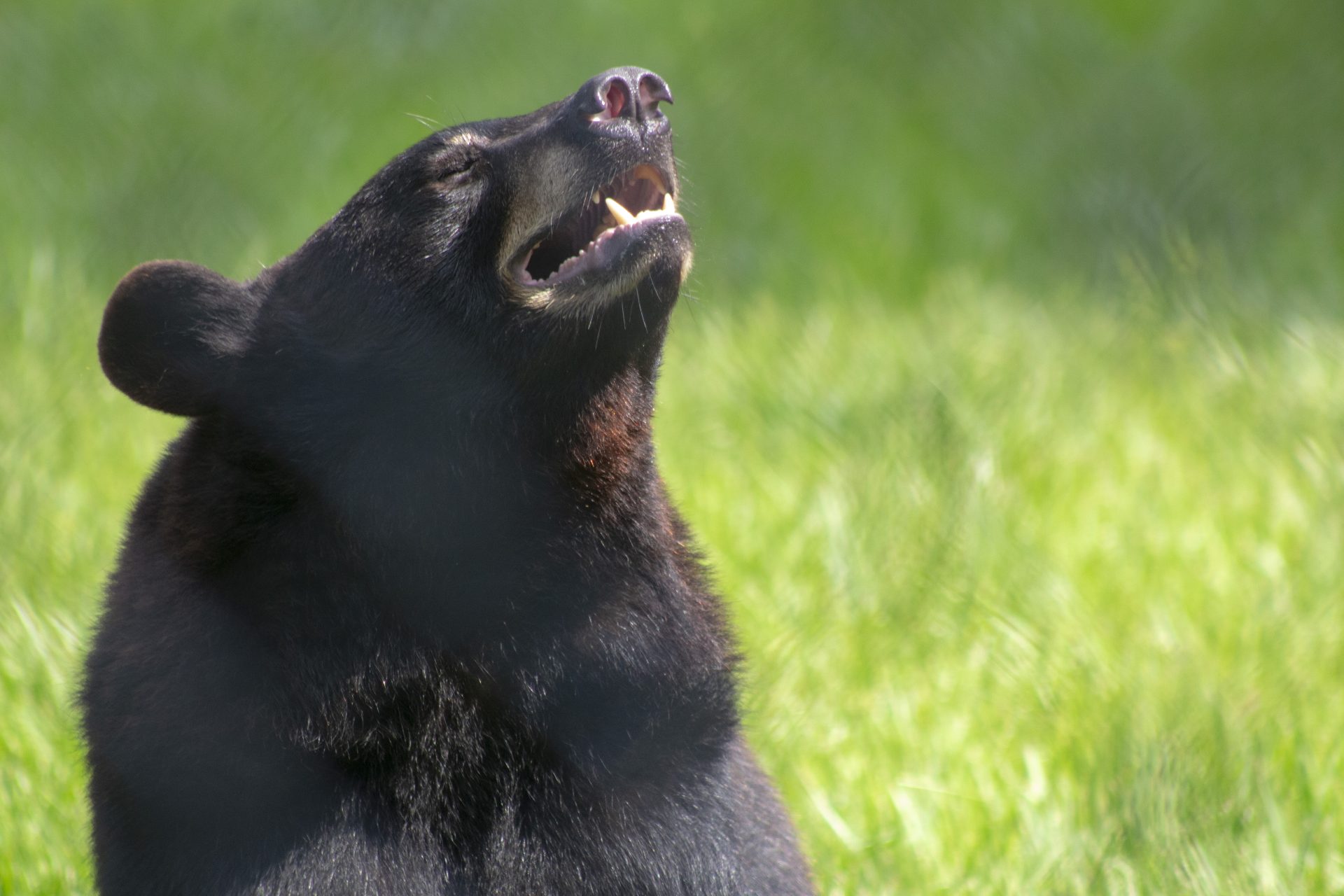
Black bears can also detect odors over a mile away.
Driven to eat, the calories they consume by picking through one garbage can often exceed what they would find naturally in an entire day. When black bears associate people with food, problems arise. Ensure the safety of black bears and people by securing your trash and other attractants.
While there are at least 600,000 wild black bears in North America, the Florida subspecies has among the smallest populations, estimated at only 2,500–3,000. Loss of habitat and increased contact with humans are among the greatest threats to Florida’s black bears.
SCIENTIFIC NAME
Ursus americanus floridanus
Fun Fact
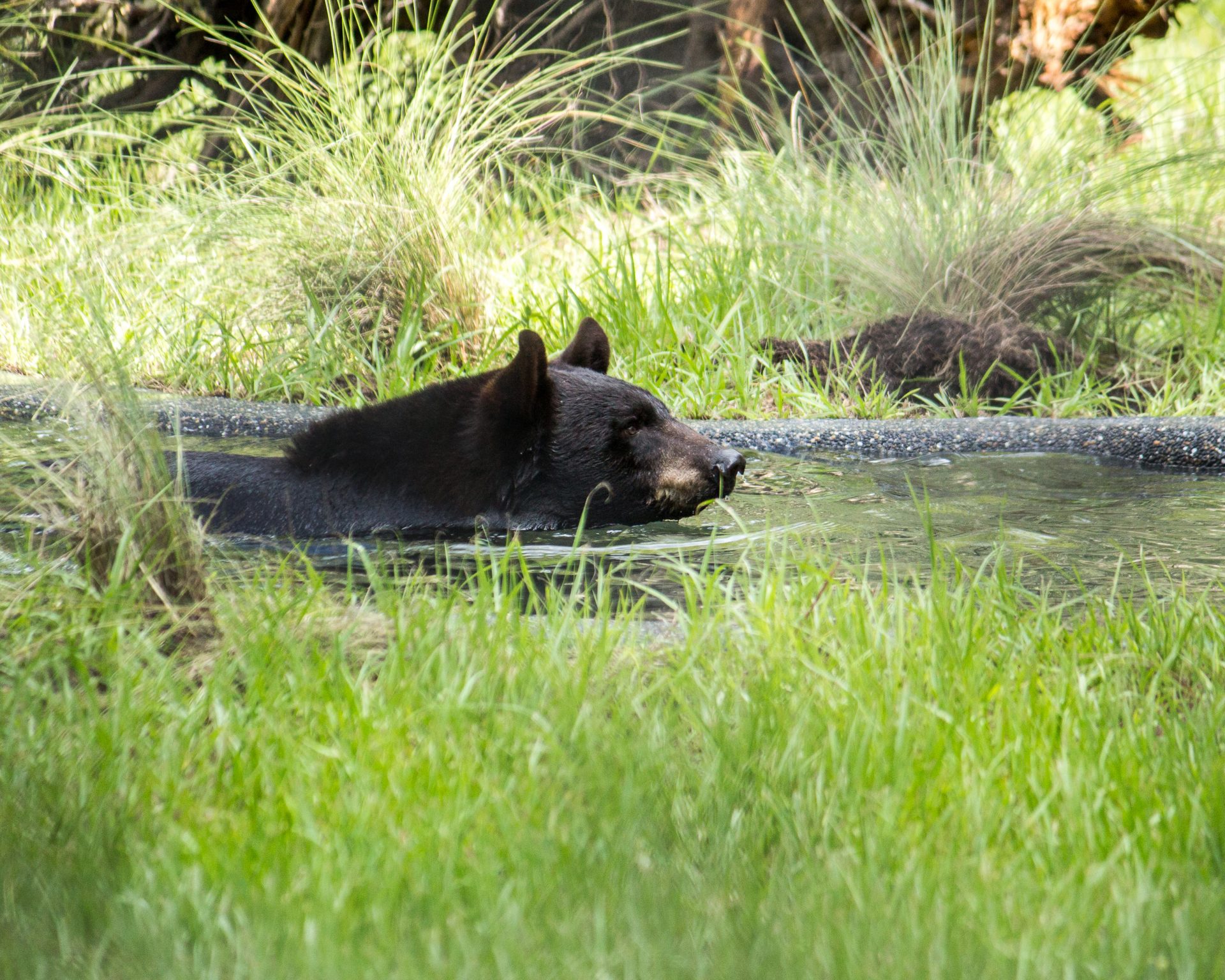
Bears enjoy the water. It is not uncommon to see Florida black bears utilizing residential pools, ponds or fountains.