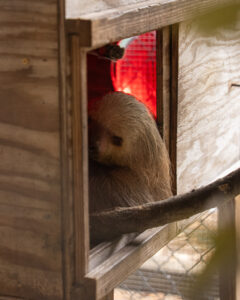
 When the sloths first arrived, several required critical, specialized attention due to their condition. Habanero had shown encouraging early signs of progress, including eating and drinking regularly, and had stabilized under the care of the Zoo’s animal care and veterinary teams. In recent days, however, staff observed increased lethargy. When the sloths first arrived, several required critical, specialized attention due to their condition. Habanero had shown encouraging early signs of progress, including eating and drinking regularly, and had stabilized under the care of the Zoo’s animal care and veterinary teams. In recent days, however, staff observed increased lethargy.
Sloths, like many animals, are known to mask symptoms of illness until conditions become severe, making early detection and intervention especially challenging.
“Our team worked tirelessly to provide the highest level of care possible for Habanero,” said Richard E. Glover, Jr., CEO. “While we are deeply saddened by this loss, we remain committed to doing everything we can for the remaining sloths. Situations like this are incredibly difficult, but they are not unexpected given the fragile condition some of these animals were in upon arrival.”
The Zoo’s veterinary and animal care teams continue to closely monitor the remaining sloths, with ongoing medical evaluations and supportive care in place. At this time, two additional sloths are in guarded condition. These individuals were among those identified as most vulnerable when they first arrived, and their care remains a top priority.
The Zoo acknowledges that this initial period of rehabilitation is delicate and complex and appreciates the continued support from the community.
For more information, visit https://www.centralfloridazoo.org/sloths-at-the-central-florida-zoo/.
For those who would like to donate to the Zoo’s efforts, click here. The Zoo is a 501(c)(3) nonprofit, and donations help continue to provide the best care possible for these sloths in need. |